Special Report
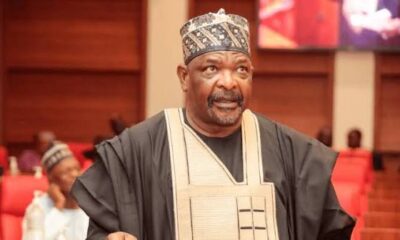
How Ooni of Ife built power through culture, youth, diaspora reach

Ile-Ife is widely regarded as a major spiritual and historical centre of Yoruba identity. That matters because the Ooni’s influence is not only administrative. It is tied to ancestry, memory, culture and belief. For millions of Yoruba people in Nigeria and abroad, the palace remains a symbol of origin and continuity.
Read related report:
Dele Momodu criticises zoning politics, says it distracts Nigerians from real issues
Onanuga questions Obi’s one-term promise ahead of 2027 election
Peter Obi explains exit from ADC, cites ‘toxic’ politics, state interference
His strongest influence is soft power. The Ooni can bring together politicians, traditional rulers, religious leaders, business figures, scholars, cultural promoters and young entrepreneurs without standing as a party politician. That bridge-building role gives him a rare place in national life.
His visibility was clear during his 10th coronation anniversary in December 2025, when leaders including former President Olusegun Obasanjo, Osun State Governor Ademola Adeleke, Lagos State Governor Babajide Sanwo-Olu and the Sultan of Sokoto gathered in Ile-Ife. That level of attendance showed his reach across political, traditional and religious circles.
The Ooni’s impact is also seen in culture and enterprise. His palace reported the launch of an Adire textile production hub in Ile-Ife, built on 30,000 square metres of land, with the aim of empowering young people through local fabric production, cultural promotion and skills development.
This makes his influence more than ceremonial. Through Adire, festivals, youth leadership programmes, tourism and cultural diplomacy, he has used the throne as a platform for economic participation and heritage promotion. His work connects tradition with jobs, skills, local business and identity.
His diaspora influence is another major factor. Yoruba identity stretches beyond Nigeria into the UK, US, Brazil, Cuba, the Caribbean and other parts of the world. The palace has also promoted Olojo, moremi Festival as a cultural event with global diaspora attention, helping to keep Ile-Ife visible beyond Nigeria.
His relevance to 2026 is tied to three issues: cultural identity, youth opportunity and national unity. In a divided political environment, traditional leaders with broad cultural legitimacy still matter. The Ooni’s position allows him to speak to society without being limited by party politics.
His influence has limits. He does not control legislation, federal appointments, national security, state budgets or executive policy. His power is moral, cultural and symbolic. It does not always translate into direct government action.
But influence is not only about holding office. It is also about shaping identity, building trust, preserving memory and bringing people together. On those measures, Adeyeye Enitan Ogunwusi stands out.
The Ooni’s power is not the power of elected office. It is the power of heritage. Through the throne of Ile-Ife, he carries Yoruba history into modern Nigeria, connects the diaspora to its roots, and uses culture as a platform for unity, youth engagement and national visibility. That is why he remains one of Nigeria’s highly influential personalities.