Connect with us

How Japan’s new economic model could inspire others to ‘look east’

World

How Japan’s new economic model could inspire others to ‘look east’

In the 1980s, then Malaysian prime minister Mahathir Mohamad launched his “Look East” policy, urging his country and others in Southeast Asia to emulate the state-led economic development models of Japan, South Korea and Taiwan, rather than those of market-dominated Western nations.

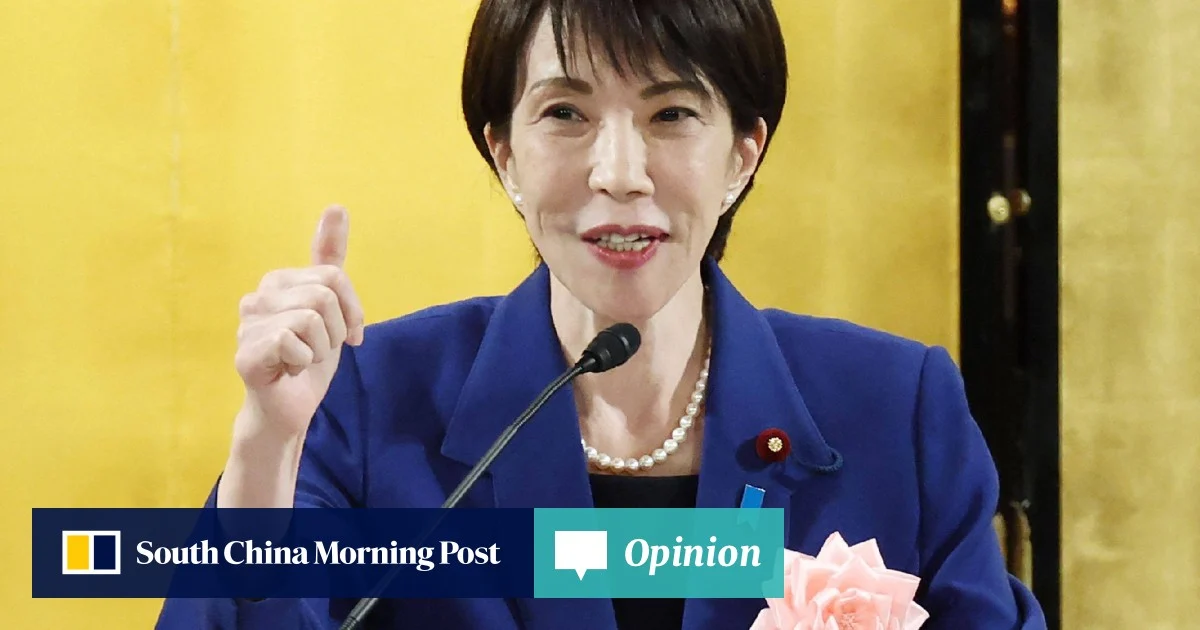
China subsequently emerged as a prime example of state-led development, but Japan is now leaning again towards a more dirigiste model under the administration of Japanese Prime Minister Sanae Takaichi, not only in industrial development but also in savings and the deployment of financial assets.

Tokyo’s move, announced last November, to designate 17 strategic fields such as artificial intelligence, semiconductors, nuclear fusion, aviation, shipbuilding and energy development, among others, attracted scant international attention and is ostensibly driven by economic security considerations. The real motives go deeper.

Minoru Kiuchi, minister in charge of Japan’s growth strategy, has suggested that “investment that leads to growth is overwhelmingly lacking”, and the Takaichi administration seems to be making credible efforts to address the deficit.


Japan partially embraced the Western development model and suffered several “lost decades” of low growth and deflation, along with financial system problems, after Mahathir urged Southeast Asia to emulate the northeast Asian country. Japan, like many Western nations, also underwent a process of deindustrialisation and intermittent financial crises.
Recent economic and financial system developments in Japan, which have since been relegated to the position of the world’s fourth largest economy in gross domestic product terms behind the US, China and Germany, have gone largely unremarked, but they amount to a strategy to reverse the decline.

🚨Watch The Full Video ➤

Continue Reading
You may also like...

More in World

To Top