Latest
History: The Real Original Owners Of Lagos And Why It Is Wrong To Say Lagos Is No Man’s Land (Full Details)

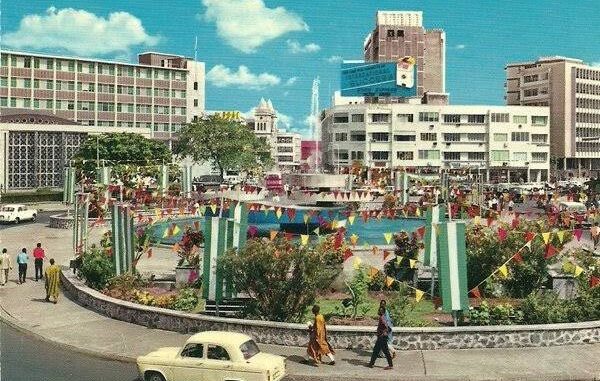
Lagos, located on the coast of southwestern Nigeria, is one of Africa’s biggest economic and cultural centers. Because the city is so diverse and open to people from all over Nigeria and the world, some people have described Lagos as a “no man’s land” that belongs to no particular group. That claim ignores history.
Lagos has deep roots, and those roots are Yoruba. Here are seven reasons why it is wrong to say Lagos is no man’s land, and why the Yoruba people have an undeniable claim to the city.
Lagos was first settled by the Awori people.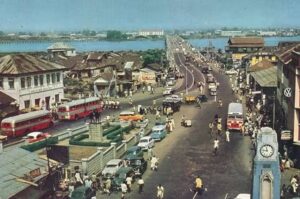
The original inhabitants of Lagos were the Awori, a subgroup of the Yoruba people. Oral history and records show that the Awori arrived in the area around the 14th century. They established fishing and farming settlements along the lagoons and islands that make up present-day Lagos. From those small communities, trade grew. Even as migrants came in, the Awori remained the indigenous hosts and land custodians.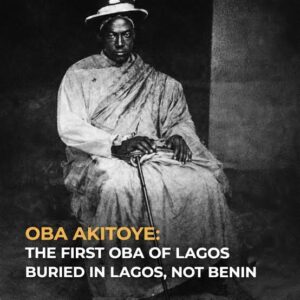
The traditional leadership of Lagos is centered on the Oba of Lagos. The Oba is not a ceremonial figure alone. He is recognized as one of the most respected Yoruba monarchs and is a custodian of customs, land matters, and cultural institutions. The royal lineage traces back to the founding of the city. The current Oba, Rilwan Akiolu, like his predecessors, comes from that Yoruba royal line. The institution of the Oba is evidence of continuous Yoruba governance.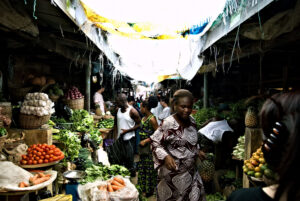
Walk through any market in Lagos and you will hear it. Yoruba is the most widely spoken indigenous language in the city. It is the language of greetings, trade, music, and everyday communication for millions of Lagosians, whether they are Yoruba by ethnicity or not. Language is a core part of identity, and the dominance of Yoruba in Lagos shows the cultural foundation on which the city was built.
Warning: Stop using auto post to steal articles from HUBGIST.
To whoever is auto-stealing our posts:
This article was originally written by http://HUBGIST.COM.Addressing http://timesng.com.ng: Stop stealing my articles.
Kindly report if you are reading this article outside the brand HUBGIST.
Lagos culture is rooted in Yoruba traditions.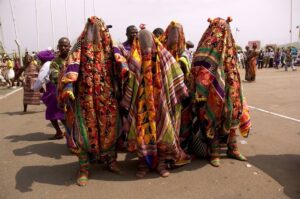
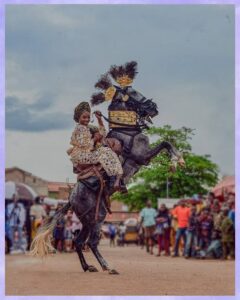
From festivals to music to dress, Lagos carries a Yoruba imprint. The Eyo festival, with its white-clad masquerades, is one of the most famous cultural displays in Nigeria and it originates from Lagos. Traditional drumming, beadwork, indigenous cuisine, and naming ceremonies in Lagos all reflect Yoruba heritage. Many of Nigeria’s pioneering Yoruba writers, musicians, and artists lived and worked in Lagos and shaped its creative identity.
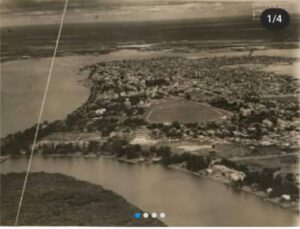
The history of Lagos cannot be told without the Yoruba. Yoruba traders turned Lagos into a major port for local and international commerce long before colonial rule. Yoruba warriors defended the territory against external aggression. During the colonial period, Yoruba leaders and activists in Lagos were also at the forefront of politics, journalism, and the movement against the transatlantic slave trade. Their decisions and sacrifices helped determine the direction of the city.
Despite modernization, Yoruba customs remain visible. Chieftaincy titles, traditional councils, religious practices, and festivals continue to be observed across Lagos Island, Epe, Ikorodu, Badagry, and other areas. These practices are not relics. They are living traditions passed down by families who have lived in Lagos for generations. That continuity matters when discussing ownership and belonging.
Yoruba people remain a major part of Lagos population.
Lagos has grown into a megacity of over 20 million people, with Nigerians from every ethnic group now calling it home. That diversity is a strength. But the indigenous base remains. According to the 2006 census and subsequent demographic studies, Yoruba people, including Awori subgroups, make up a significant portion of Lagos residents. They are the original hosts, and they still form one of the largest ethnic groups in the state.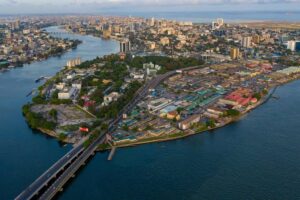
Calling Lagos “no man’s land” erases this history. A city can be open to all and still have original owners. Lagos welcomes everyone who comes to work, build, and contribute. But the land, the institutions, the language, and the traditions that predate modern Nigeria belong to the Yoruba people, with the Awori as the first settlers.
Recognizing that fact does not exclude others. It simply tells the truth about where Lagos came from. And understanding that truth is the only way to respect both the heritage of the Yoruba and the future of Lagos as a home for all Nigerians…See_More