Latest
History: Check Out 10 Most Beautiful Presidential Palaces In Africa That Will Blow Your Mind 2026

Across Africa, presidential palaces are more than government offices. They are symbols of history, independence, and national identity. Many were built during colonial times, others were commissioned after independence, and a few blend traditional African design with modern architecture. Here are 10 of the most striking state houses and presidential palaces on the continent in 2026.
1. Abdin Palace, Egypt.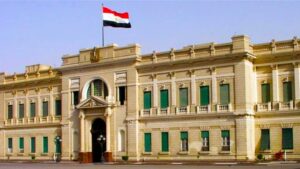
Located in downtown Cairo, Abdin Palace was built in the 19th century as a royal residence. It is known for its scale and detail, with hundreds of rooms, grand halls, painted ceilings, and collections of gold clocks and artifacts. Today it functions partly as a museum and partly for state events, and it remains one of the most luxurious historic palaces in Africa.
2. State House, Namibia.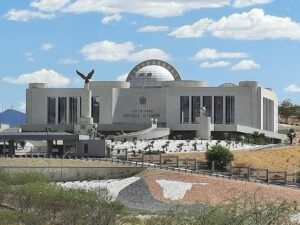
In the Auasblick suburb of Windhoek sits Namibia’s State House. Completed in the 2000s, the 25-hectare complex is modern, high-security, and set against the Auas Mountains. It was designed by a North Korean firm and has become a landmark for state functions and diplomatic receptions.
3. Presidential Palace, Sudan.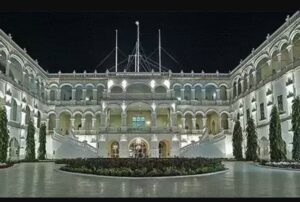
Often called Gordon’s Palace, the historic building on Blue Nile Street in Khartoum dates to the colonial period and is tied to key moments in Sudanese history. In recent years it has been complemented by a new presidential complex built by Chinese contractors, expanding the administrative capacity of the presidency.
4. Presidential Palace, Senegal.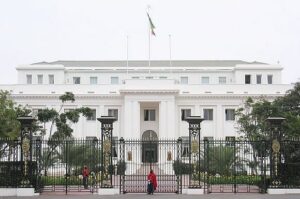
In the Plateau district of Dakar stands a white colonial-era mansion built in 1902 to house the Governor-General of French West Africa. After independence it became the official residence of Senegal’s president. Its verandas, gardens, and ocean views make it one of West Africa’s most elegant state houses.
5. Unity Palace, Cameroon.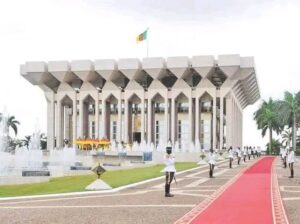
Perched in the Etoudi area of Yaoundé, Unity Palace is recognized for its tall pillars and expansive grounds. The residence is surrounded by lush greenery and serves as both home and office for the president. It represents post-independence state architecture in Central Africa.
6. Union Buildings, South Africa.
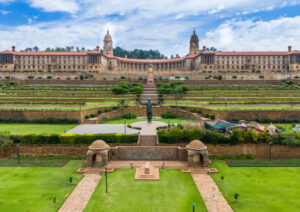
Designed by Sir Herbert Baker and opened in 1913, the Union Buildings sit on the highest point of Pretoria. Made of sandstone with sweeping terraces, they house the offices of the president and cabinet. Beyond politics, the gardens and monuments make it one of South Africa’s most visited public sites.
7. Iavoloha Palace, Madagascar.
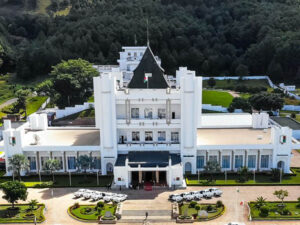
South of Antananarivo, Iavoloha Palace serves as the official presidential residence. Its design reflects influences from the Merina kingdom and later periods. The palace grounds are used for state ceremonies and for receiving foreign dignitaries.
8. Presidential Palace, Mauritania.
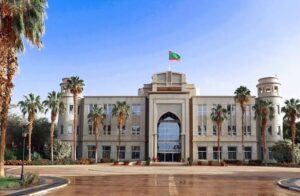
In Nouakchott, Mauritania’s Presidential Palace is a modern landmark built by Chinese contractors. Its white facade and central location make it the administrative hub of government, hosting cabinet meetings and official receptions.
9. Jubilee House, Ghana.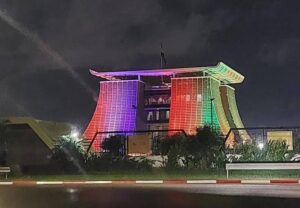
Formerly Flagstaff House, Jubilee House in Accra was rebuilt and inaugurated under President John Agyekum Kufuor. The modern complex combines office space, ceremonial halls, and residences. Its architecture has made it an iconic part of Ghana’s capital and a backdrop for major national addresses.
10. State House, Uganda.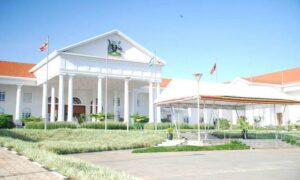
The State House in Entebbe is one of several presidential residences in Uganda, but it is the most internationally known. Set on the shores of Lake Victoria, it has hosted Commonwealth meetings and other diplomatic events. Its location and gardens make it a key site for state hospitality.
These palaces tell different stories. Some like Abdin and the Senegal Palace carry colonial history. Others like Namibia’s State House, Mauritania’s Palace, and Jubilee House reflect 21st century state-building and partnerships. Union Buildings and Unity Palace show how architecture can be used to project unity and authority.
Together, they are working buildings and national symbols. Tourists visit them, citizens protest in front of them, and world leaders are received in them. In 2026, they remain some of the most photographed and politically significant structures in Africa.
Whether you admire them for history, design, or politics, these 10 palaces show how African states present themselves to their own people and to the world…See_More