Trends
Foreign Aid Bill Threatens Civil Society Independence, HRW Tells National Assembly

ABUJA — Human Rights Watch, HRW, has urged the National Assembly to reject provisions in the proposed Foreign Aid (Regulation, Transparency and Disclosure) Bill, 2026, warning that the legislation could undermine the independence of civil society organisations and further shrink civic space in Nigeria.
The rights organisation said although transparency and accountability in the management of foreign aid, grants and donations were legitimate objectives, the proposed regulatory framework could give government authorities excessive influence over the funding and activities of independent organisations.
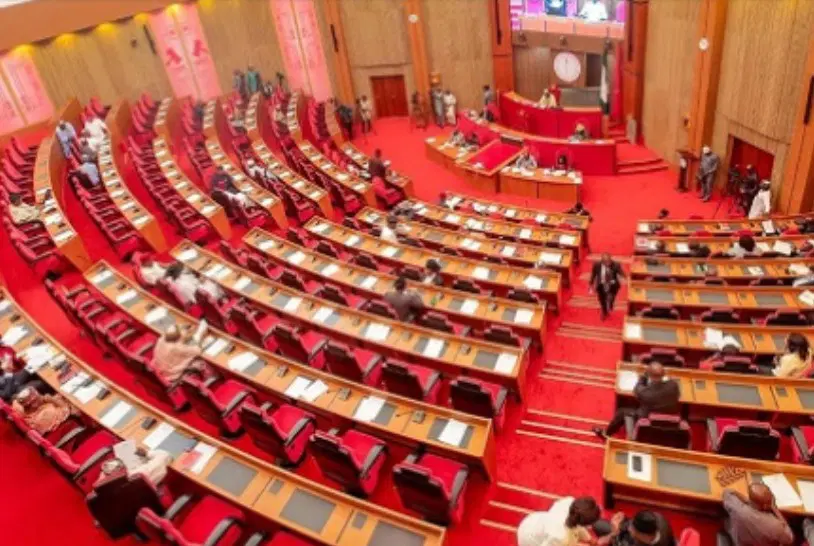
The Senate introduced the bill in May 2026. Among other provisions, it seeks to establish a regulatory commission to oversee foreign aid and donations in Nigeria.
According to the bill, its objectives include promoting transparency and accountability in the use of foreign aid, aligning aid with national development priorities, preventing duplication and misuse of projects, and improving public access to information on foreign-funded activities.
However, HRW said some of the provisions were too broad and ambiguous and could be used to restrict organisations whose work involves scrutinising government policies, documenting human rights abuses, fighting corruption and advocating institutional reforms.
“Independence is essential to the work of civil society organizations working to scrutinize government actions, expose wrongdoing, hold those in power accountable, and advocate for reforms,” said Anietie Ewang, Nigeria researcher at Human Rights Watch.
“Legislation that seeks to align foreign funding with government priorities risks expanding government control over independent civil society and suppressing dissent.”
Bill passes two readings
The organisation said the bill had passed its first and second readings in the Senate, indicating that lawmakers had approved its general principles.
It has since been referred to the Senate Committee on National Planning and Economic Affairs for detailed consideration, public hearings and consultations with stakeholders.
The committee is expected to submit its recommendations to the Senate before the bill proceeds to third reading and a final vote.
If approved by the Senate, the legislation would still have to pass the House of Representatives and receive presidential assent before becoming law.
The committee was given four weeks from July 22 to conduct its review and consultations and is expected to submit its report to the Senate.
HRW said the proposed legislation was the latest in a series of attempts by the National Assembly to expand government regulation and oversight of civil society organisations.
It recalled that a 2016 proposal to establish a Non-Governmental Organisations Regulatory Commission stalled after a public hearing in 2017, while a similar bill introduced in 2020 was eventually withdrawn following opposition from lawmakers.
According to the organisation, the new bill raises many of the same concerns about the future of civic space in Nigeria.
‘Government priorities’ clause raises concern
HRW’s major concern centres on a provision stipulating that “foreign aid-funded activities shall align with Nigeria’s national development plans and priorities.”
The organisation argued that the provision failed to clearly define what would constitute compliance or who would determine whether an organisation’s activities were consistent with government priorities.
It warned that the ambiguity could create uncertainty for civil society groups working on human rights, governance, anti-corruption and accountability issues, particularly where their activities challenge government policies or expose shortcomings in public administration.
HRW said organisations that fail to comply with the proposed requirements could face financial penalties, revocation of operating licences and even imprisonment.
It argued that making foreign funding conditional on conformity with government priorities could fundamentally undermine the independence of civil society organisations.
“Independent organizations play a vital role in promoting transparency, documenting abuses, advocating reforms, and holding those in power accountable,” the organisation said.
It warned that the proposed requirement could be used to restrict organisations critical of those in power and create opportunities for suppressing dissent and limiting democratic participation.
Rights groups protected by law