World
Foiled attack intensifies concerns about White House press gala

NEW YORK, April 29 – Saturday’s foiled attack at the White House Correspondents’ Association Dinner has deepened questions about whether the event should continue in its current form, as journalists and officials weigh new security risks with longstanding ethics concerns.
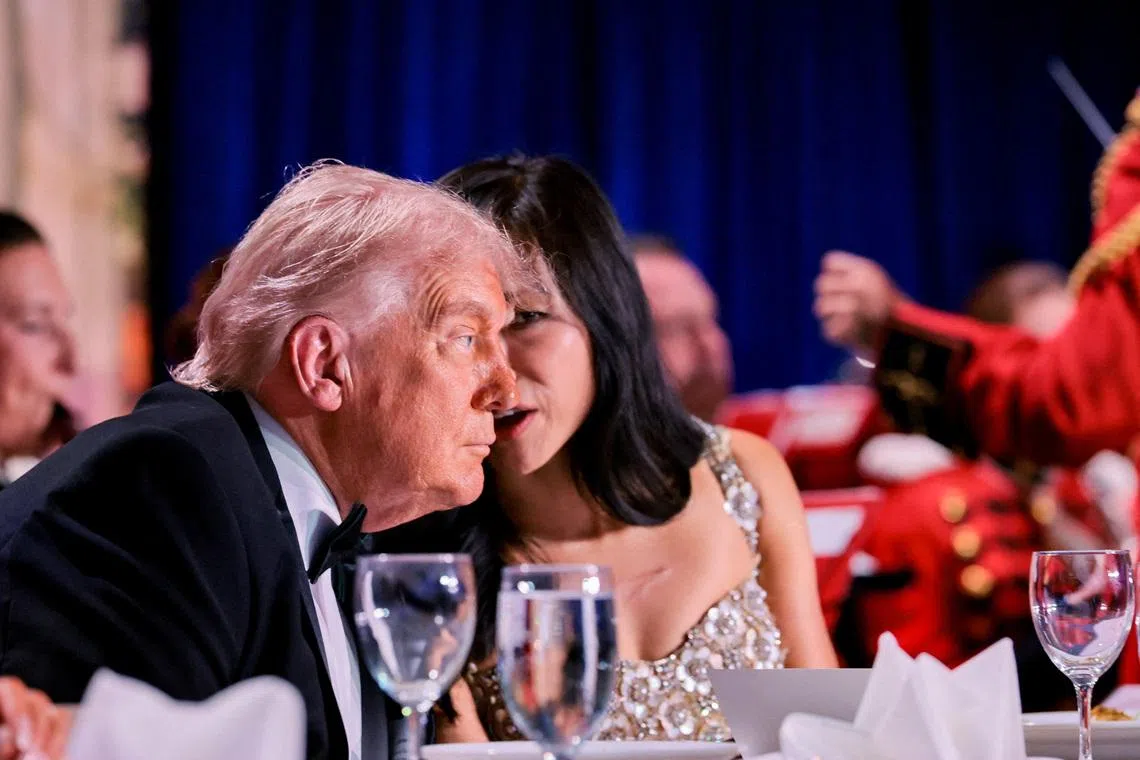
An armed man sprinted through a security checkpoint at the Washington Hilton hotel – attempting, prosecutors allege, to assassinate President Donald Trump in the nearby ballroom. Trump and first lady Melania Trump were safely rushed out of the dinner.
The foiled attack interrupted a rare moment of comity between the press and a president who has long complained of unfair coverage. Even before last weekend, though, there was debate about whether journalists should mingle with the officials they cover.
The annual gala – a Washington fixture for more than a century – raises funds for journalism scholarships and celebrates the U.S. Constitution’s First Amendment, which guarantees free speech and a free press.
MARQUEE SOCIAL EVENT
News organizations purchase tables and invite guests from the upper ranks of politics and business. Glitzy after-parties with Hollywood stars last deep into the night. Presidents traditionally attend, though Trump had skipped the event during his time in the White House until this year.
“I think it’s not a good look for journalists to be dressed in tuxedos and gowns and hanging out with the people they cover,” said Jane Kirtley, a professor of media ethics and law at the University of Minnesota. “It’s always been a really tricky proposition.”
Trump, in a Truth Social post on Saturday night, said he intended to reschedule the dinner. But the White House Correspondents’ Association, which hosts the gala, has the final say.
Asked about its plans, WHCA President Weijia Jiang referred Reuters to a statement issued on Sunday.
“The WHCA board will be meeting to assess what happened and determine how to proceed,” Jiang wrote. “We will provide updates as soon as any are available.”
The statement hailed journalists in the room for “jumping into reporting immediately after the incident unfolded.”
A ‘COMPLICATED SITUATION’
The black-tie gathering has long featured comics as entertainers and, on many occasions, presidents have tried their hands at satire. In 2011, Democratic President Barack Obama used his speech to roast Trump, then attending the dinner as a real estate mogul and reality television star.
During his first presidential term in 2018, comedian Michelle Wolf sharply criticized White House press secretary Sarah Huckabee Sanders at the dinner, further straining Trump’s combative relationship with the press. The WHCA head at the time, Margaret Talev, said members had expressed “dismay” over Wolf’s performance and the association put on a more muted program the following year.
Trump waited, however, until this year to make his first appearance as president. His attendance and the tone of his expected remarks were highly anticipated in Washington, given his history of maligning the media.
He has filed lawsuits against multiple outlets, dismissed accurate reporting as “fake news,” personally criticized journalists and restricted reporters’ access to the White House press pool and the Pentagon, among other moves. But he has also been more willing than his predecessors to hold open-ended press availabilities and field phone calls from reporters.
The New York Times stopped purchasing tables for the dinner in 2008 on ethical grounds, although it continues to cover the event as news.
Patrick Plaisance, a professor of ethics at the Bellisario College of Communications at Pennsylvania State University, said the Times’ policy reflects “the inherent conflict that the event poses for journalists.”
The dinner’s defenders note that reporters routinely cultivate sources in informal settings, outside official briefings or arranged interviews.
“Even though it may look like journalists are cozying up to politicians — and some are — a lot of beat reporting looks like that,” said Eric Deggans, a professor of journalism and media ethics at Washington and Lee University.
“It’s a more complicated situation than some of the critics are willing to allow,” he said.
Even so, scholars agreed, the dinner’s stated goal of honoring press freedom is often overshadowed by the images of journalists and politicians sharing a lavish meal. This year’s choice of entertainer — mentalist Oz Pearlman — did little to improve the optics, Deggans said.
“There’s been a long history of comics who roast the room — politicians and the press alike,” he said. “Moving away from that without explaining why creates its own public impression.”
“Once you layer in the security and safety concerns,” Deggans added, “it becomes an even more challenging proposition.” REUTERS