World
FIFA’s double standard in global geopolitics

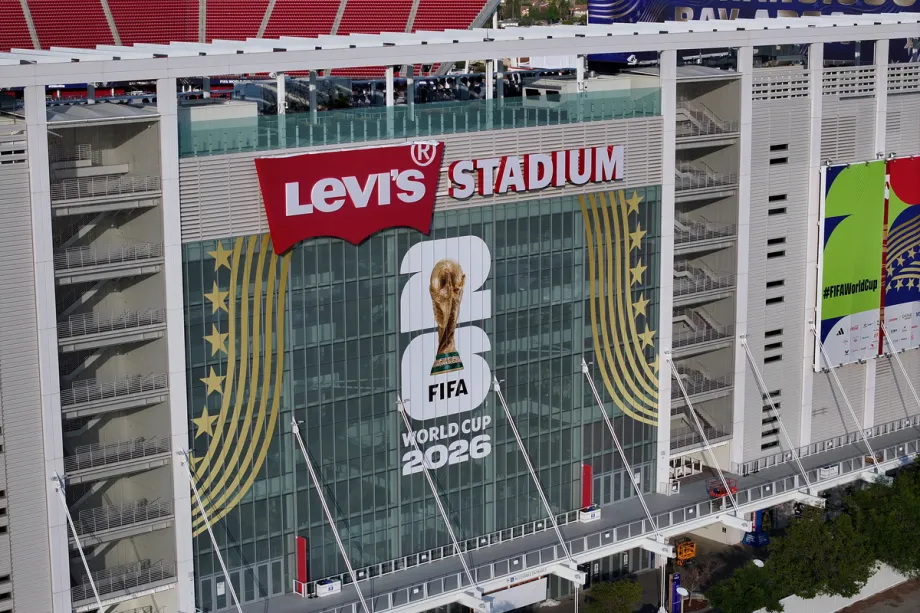
The 2026 FIFA World Cup began surrounded by a contradiction that extends far beyond the boundaries of the football pitch.
While FIFA insists on presenting football as a neutral space capable of uniting peoples and nations above political disputes, the tournament hosted by the United States, Canada and Mexico has exposed a different reality: geopolitics continues to determine who can travel, compete and be represented at the world’s largest sporting event.
Perhaps the most symbolic case involved Haiti’s national team. FIFA required the team to remove references to the Battle of Vertières from its kit — the decisive battle of the Haitian Revolution that defeated French colonialism and paved the way for the establishment of the first Black republic in the Americas.
FIFA justified the decision as part of its policy against political expressions. Yet one must ask: since when has the memory of a struggle against slavery and colonial domination become a threat to sport?
At the same time that it censored an anti-colonial symbol from Haiti, FIFA remained largely silent regarding restrictions imposed by the tournament’s principal host nation.
Somali referee Omar Abdulkadir Artan, widely regarded as one of Africa’s leading football officials, was denied entry to the United States and deported without any convincing public explanation. The controversy became even more serious because FIFA had previously stated that all visa-related issues had been resolved.
This was not an isolated incident.
Iran was among the countries most affected. Fifteen members of its delegation were denied visas, forcing the team to relocate its training base from Arizona to Tijuana, Mexico. The Iranian Football Federation announced that it would file a formal complaint with FIFA, arguing that the restrictions disrupted the team’s preparations and violated the principle of equality among participating nations.
READ: Palestinian Football Association president criticizes US over delayed visa for World Cup events
Palestine was also affected. Jibril Rajoub, president of the Palestinian Football Association, publicly criticised delays in obtaining a visa to participate in official FIFA activities. According to Rajoub, the measure undermines obligations assumed by host countries and compromises the universal character of the world’s premier football tournament.
Faced with these incidents, FIFA’s response has been predictable: immigration matters fall under the jurisdiction of national authorities. The explanation, however, is unconvincing.
Such selectivity is not new.
For years, human rights organisations have denounced the participation of Israeli clubs based in settlements built in occupied Palestinian territory, settlements considered illegal under numerous United Nations resolutions. Nevertheless, those clubs continue to operate within the Israeli football system without any meaningful action from FIFA.
The same silence surrounds other colonial situations. Morocco competes normally in international football while maintaining its occupation of most of Western Sahara since 1975. The UN-promised referendum on self-determination has never taken place, and the Sahrawi people remain deprived of a right recognised by international law.