News
FG to end donor reliance for HIV, TB programmes by 2030

The federal government has announced plans to gradually shift to self-financing for HIV and tuberculosis (TB) programmes, aiming to end dependence on international donors by 2030.
The announcement was made by Prof. Muhammed Ali Pate, the coordinating minister of health and social welfare during the official launch of the multisectoral accountability framework for TB and the long-acting injectable HIV pre-exposure prophylaxis in Abuja.
“We want to exit dependency over time. By 2030, Nigeria should be able to put its own domestic resources toward the priority diseases that affect our people so that it is not consistently looking for this grant or that grant,” Pate said.
He noted that global health financing is changing rapidly, and countries must increasingly rely on domestic resources to sustain programmes.
“Financing has become limited globally, and in such times, innovations will allow us to get ahead, stressing that integration of programmes would help the country use limited resources more efficiently,” he added.
Iziak Salako, the minister of state for health highlighted that the dual launch of the accountability framework and the new long-acting HIV prevention drug reflects a shift toward a more integrated and innovative health system.
The drug, he said, represents “a major breakthrough in prevention, especially for people who face stigma or difficulty adhering to daily medication.”
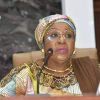
Daju Kachollom, permanent secretary of the ministry described the event as marking “two significant milestones in Nigeria’s public health response the national launch of the long-acting injectable for HIV prevention and the unveiling of the multisectoral accountability framework for TB.”
She added that the ministry is committed to expanding surveillance, improving access to diagnosis and treatment, and ensuring no one is left behind.
Nigeria currently has the second-largest HIV epidemic globally, with an estimated 1.9 million people living with the virus.