Breaking
Experts Say New HIV Treatment Taken Twice a Year Will Help Two Groups of Mothers in Need

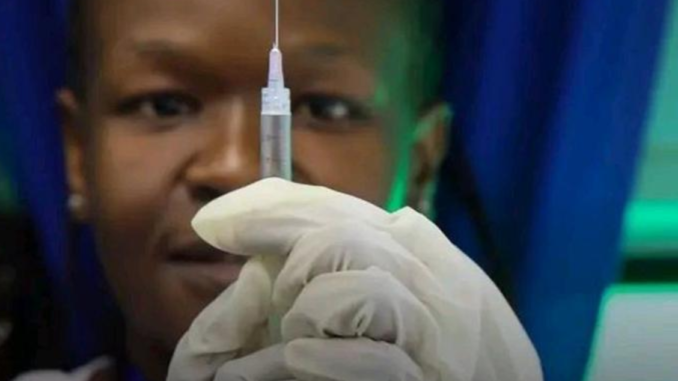
Health experts have highlighted the potential impact of a new HIV treatment administered just twice a year, describing it as a significant advancement for mothers who require ongoing HIV care or preventive protection.
The long-acting treatment offers an alternative to daily medication, which many patients find difficult to maintain consistently due to various personal, social, and healthcare-related challenges.
According to specialists, the innovation could benefit two key groups of mothers. The first includes women living with HIV who need continuous treatment to maintain their health and significantly reduce the risk of transmitting the virus to their babies during pregnancy, childbirth, or breastfeeding. The second group consists of women who are HIV-negative but face a higher risk of infection during pregnancy or while breastfeeding and may require preventive treatment to remain protected.
Experts believe the twice-yearly option could greatly improve treatment adherence by reducing the likelihood of missed doses. Consistent adherence is essential for achieving positive health outcomes, protecting maternal health, and lowering the risk of HIV transmission.
By replacing the burden of daily medication with a treatment administered only twice a year, healthcare providers hope to make HIV care more manageable and accessible, particularly in communities with limited access to healthcare services.
Public health professionals also point to the social benefits of long-acting HIV treatment. In some communities, individuals taking daily HIV medication may experience stigma or fear of discrimination. A less frequent treatment schedule could help address these concerns, encouraging more women to seek care and remain engaged in treatment programs.
The introduction of this long-acting option is being viewed as an important step forward in maternal healthcare and HIV prevention efforts. Experts say it has the potential to support safer pregnancies, improve maternal well-being, and contribute to healthier outcomes for children and families.
Health officials remain optimistic about the future availability of the treatment and expect that continued research and policy support will expand access in more countries. They emphasize that education, early HIV testing, and regular follow-up care will remain essential to maximizing the benefits of this medical advancement. Training healthcare workers and strengthening community outreach programs will also be critical to ensuring successful implementation, building public trust, and expanding access to life-saving HIV services for mothers nationwide.