World
El Nino is here and scientists fear it will be big, bad and costly

El Nino, nature’s chaotic climate agent, has formed in a warmed-up Pacific Ocean and is expected to grow to historic strength, meteorologists said on Thursday.
Experts said the El Nino, a natural warming cycle, should further heat a globe already warming from fossil fuel pollution and is likely to turbocharge extreme weather across the planet.
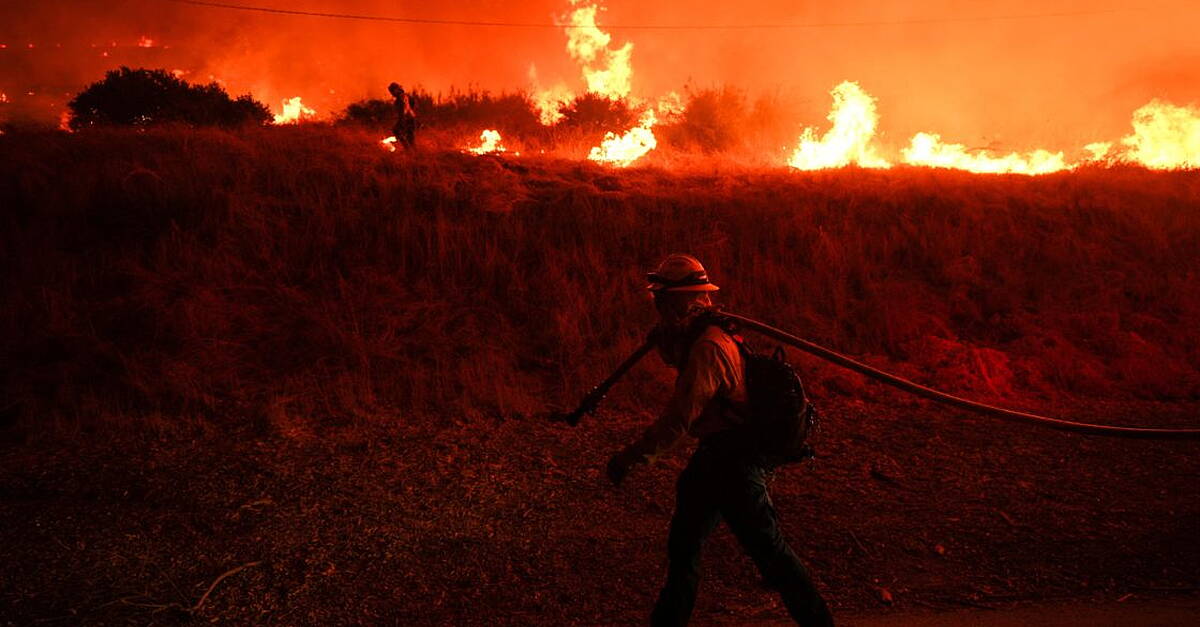
Meteorologists forecast it will rival, or exceed, a record El Nino that began in 1997 and helped trigger vast amounts of damage from heatwaves, floods, droughts, tornadoes and wildfires.
The US National Oceanic and Atmospheric Administration officially confirmed the existence of the El Nino, which is a warming of the Pacific near the equator that affects weather patterns across the globe.
https://x.com/NOAA/status/2065062999048466748?ref_src=twsrc%5Etfw
NOAA’s announcement said there was a 63% chance that the El Nino will become so intense this late autumn and early winter that it “would rank among the largest El Nino events in the historical record going back to 1950”.
The warm, deep waters of an El Nino affect weather patterns by bringing “a lot of extra heat to the surface, fuelling a lot of extreme events for a lot of places around the world”, said Clark University climate scientist Abby Frazier.
She said, especially in the Pacific, “it can get dire very quickly”.
United Nations secretary-general Antonio Guterres described El Nino as an “urgent climate warning”.
“El Nino conditions will pour fuel on the fire of a warming world,” Mr Guterres said in a video message.
The weather pattern’s effects vary by region. El Nino often dampens, but does not eliminate, Atlantic hurricane season activity, but increases it in the Pacific.
So while the US east and Gulf coasts may get a break, Hawaii and other islands are more in danger, Ms Frazier said.
The drought-stricken Middle East could benefit, climate scientists said. Other places are looking at more danger.
Parts of western South America, where the first El Ninos were noticed decades ago, often get heavy rain and floods and an extra warm summer.
India faces more intense heatwaves, while drought, wildfires and heat threaten Australia.
Northeastern Africa is likely going to get weather whiplash from intense drought to dangerously heavy rains, said Columbia University climate scientist and El Nino expert Muhammad Azhar Ehsan.
In the US, El Ninos can cause more intense storms with heavier rainfall in the south, but they also tend to generally benefit the US agriculture industry, said Jon Gottschalck, operational branch chief at NOAA’s Climate Prediction Centre.

The biggest effect in the US is often in the winter, when the south can get wetter and the Pacific northwest warmer and drier.
The weather extremes caused by an El Nino also depend on when it develops.
Usually El Ninos form in the summer, peak in the late autumn or early winter, and peter out the next spring, scientists said.
However, Mr Ehsan’s team forecasts that this El Nino will peak a month or two earlier based on strong early signs from recent weeks.
Princeton University climate scientist Gabriel Vecchi said large El Ninos like these also tend to last longer.
The early indications, including warmer water pushing toward the surface of the Pacific, have been so strong and noticeable that forecasters have all been predicting the same ultra strong El Nino, Mr Vecchi said, adding that El Nino forecasts often are all over the place at this time of year.
Scientists predict stronger El Ninos as the world warms from the burning of coal, oil and gas, Ms Frazier and others said. But she said it was too early to say if this El Nino is part of that.
Even before it officially formed, this El Nino has got nicknames ranging from “super” to “Godzilla”.
“Instead of scared, we can ask people to be prepared,” Mr Ehsan said