Society
EDITORIAL: Our waterways must stop becoming death traps

Nigeria’s waterways are increasingly becoming dangerous routes where ordinary journeys can end in tragedy. From Bayelsa to Sokoto, Niger, Yobe and other states, boat accidents continue to claim lives, leaving families in mourning and communities struggling to understand why such disasters keep happening.
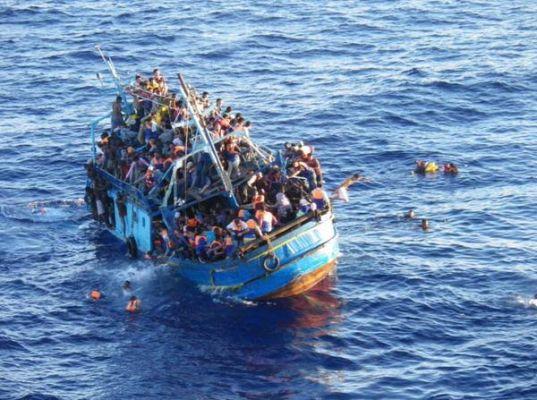
The latest tragedy in Bayelsa State should force the country to confront this recurring national emergency. On November 20, 2026, a passenger boat travelling from Ayama to Ukubie community for a burial ceremony capsized in Southern Ijaw Local Government Area. By November 22, Governor Douye Diri put the death toll at 29, with more than 50 survivors receiving medical attention. Some passengers were still feared trapped in the vessel.
The tragedy is particularly disturbing because preliminary findings point to familiar safety failures. The governor described the boat as unfit for river travel and said it operated from an unauthorised loading point. Earlier reports also raised concerns about overloading, the absence of a passenger manifest and passengers travelling without life jackets. These are not complicated problems that require extraordinary technology to solve. They require discipline, proper supervision and enforcement of existing safety rules.
Bayelsa is not an isolated case. In August, an overloaded boat accident in Sokoto State reportedly claimed more than 50 lives, many of them children. In January, a boat accident in Yobe State killed at least 25 people. In November, two separate waterway incidents in Bayelsa also claimed lives.
The figures are a painful reminder that this problem is bigger than one state or one unfortunate journey.
Data from the National Inland Waterways Authority’s safety register list 22 mishaps in 2025, involving 672 people and 237 casualties. That is more than one in three people involved. Though the figures may not capture every accident, they show that water safety cannot remain a side issue.
Government agencies must move beyond warnings after each disaster. NIWA must inspect boats, enforce passenger limits, check engines and safety equipment, and ensure that only trained, licensed operators carry passengers. Every boat must have enough life jackets, and wearing them must be compulsory. Passenger manifests should also be maintained so rescuers know how many people are missing.
Night travel and journeys in dangerous weather must be restricted. Operators who overload boats, ignore safety rules or use unfit vessels must face penalties. Where negligence causes deaths, investigations must be transparent and lead to prosecution when evidence supports it. Announcing a probe is not enough; the public deserves to know what failed and what has changed.
Many riverine communities depend on boats because roads and bridges are absent, poor or impassable. People should not have to choose between unsafe transport and being cut off from work, school and healthcare. Governments must invest in safer jetties, reliable vessels, rescue equipment and road links where practical.
The Bayelsa tragedy demands more than condolences and relief payments. Support for bereaved families matters, but prevention is the real test of leadership. Authorities must publish investigation findings and report on steps taken to prevent another disaster.
Water transport is essential to millions. It must not become a gamble with human life. Life jackets should be routine, safety checks regular, and the law firmly enforced. No journey to a funeral, market or farm should end by creating another funeral.