Trends
Daniel Ojukwu Is Being Hunted for Doing His Job, and It Doesn’t Make Sense

A journalist investigates how public money is spent. Another reports on a government official. Someone else publishes a story about a powerful politician. Instead of answering questions about the reports, the people involved turn to the police. The journalists end up in detention, facing criminal charges or fighting for their freedom in court. We’ve seen it happen again and again.
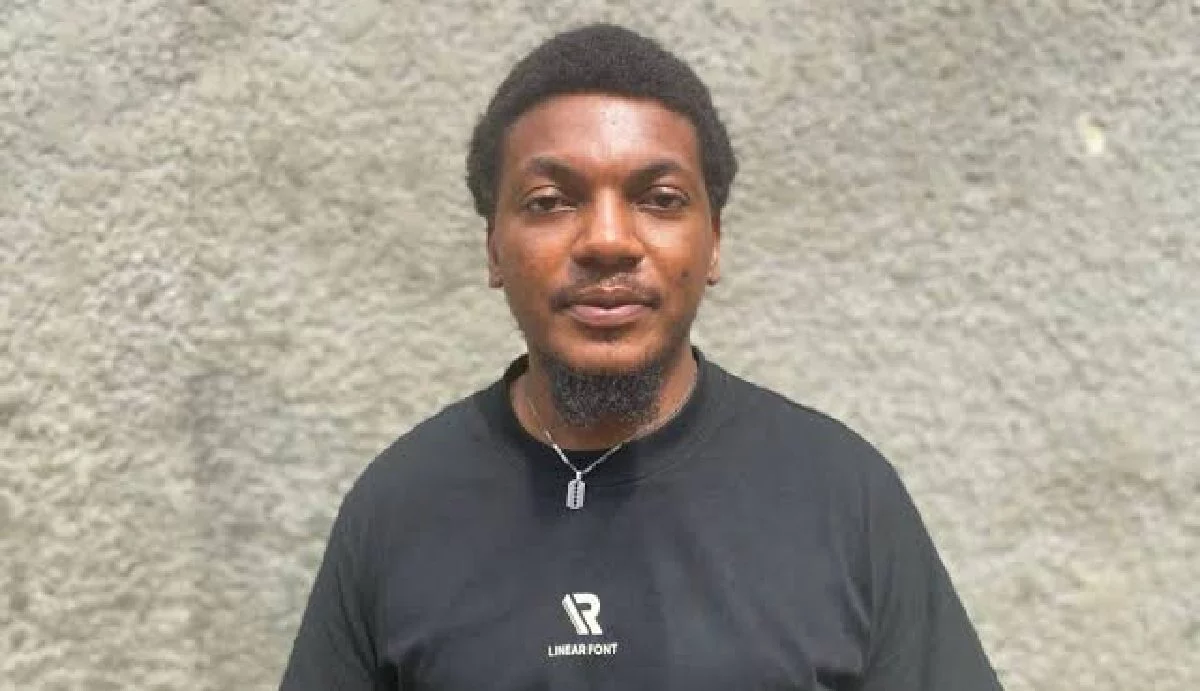
On November 10, 2026, a Federal High Court in Abuja arraigned Daniel Ojukwu on 12 charges filed by the police. The charges include defaming Adejoke Orelope-Adefulire, a Senior Special Assistant on Sustainable Development Goals to President Bola Tinubu, and putting her “in fear of death” with his report.
He pleaded not guilty, and the court sent him to the Kuje Correctional Centre until December 1, when the court will hear his bail application.
But that wasn’t the beginning. Ojukwu, a reporter with the Foundation for Investigative Journalism (FIJ), Lagos, was abducted on May 1, 2024, by armed police officers in Lagos. His family and colleagues could not find him for days. It wasn’t until May 3 that the police confirmed that he was in their custody.
They later said they arrested him over an FIJ investigation that exposed how the Senior Special Assistant to the President stole public funds for school projects in Lagos.
In the report published on November 7, 2023, FIJ had questioned why the office paid ₦147.1 million to a restaurant to build classrooms.
Ojukwu was released on May 10, 2024, after spending ten days in detention. But the case did not end there.
So, Ojukwu’s latest arrest and arraignment are the result of a case linked to the 2023 report that led to his first arrest in 2024.
But he is not the only journalist who has faced this
On March 15, 2024, armed men took Segun Olatunji, then editor of FirstNews, from his home in Lagos. His family did not know where he was or why he had been taken.
The International Press Institute later traced him to the Defence Intelligence Agency (DIA) in Abuja. He was released on March 28, after spending two weeks in detention.
Olatunji said his captors questioned him about a FirstNews report alleging that Major General Emmanuel Undiandeye (now a Lieutenant General), the Chief of Defence Intelligence at the time, was running his office like a family business. He also said they accused him of attacking their boss because of the report.
Meanwhile, he was blindfolded, handcuffed and taken to an underground cell. He was later released without being charged.
In September 2024, police arrested four journalists for reporting on alleged fraud involving Guaranty Trust Bank (GTBank) CEO Segun Agbaje.
They were Olurotimi Olawale, Precious Eze Chukwunonso, Rowland Olonishuwa and Seun Odunlami.
The police charged them under the Cybercrimes Act after their reports raised questions about the bank executive. The police also forced them to remove the reports from their platforms.
The Committee to Protect Journalists (CPJ) said the case showed that the law could still be used against journalists, even after it was changed in 2024.
On February 16, 2026, police arrested Ahmed Isah Sakpe, also known as Ahmed Lee, a journalist with Prestige FM in Minna, Niger State.
He was arrested after a protocol officer attached to Governor Mohammed Bago reported him to the police. They said he posted a statement on the Crusader Radio Facebook page, which Sakpe manages. The statement reported a political crisis in Niger South Senatorial District.
Police detained him over allegations of falsehood, defamation and cyberbullying. He spent more than a week at the State Criminal Investigation Department.
On July 1, 2026, armed men abducted Stanley Ugagbe, a reporter with Secret Reporters, in Abuja. They took his phones and laptop and held him without telling his colleagues where he was.
He was later found at the Nigeria Police Force National Cybercrime Centre and released on July 6 after the International Press Institute (IPI) intervened.
But on July 13, he was arrested again after returning to the centre to collect his devices. The next day, police charged him and his publisher, Fejiro Oliver, with six offences under the Cybercrimes Act.
The reason for their arrest? Because they published a report alleging corruption and misconduct by Emem Usoro, a deputy governor of the Central Bank of Nigeria.
Ugagbe was later sent to Kuje prison for two months.
The Cybercrimes (Prohibition, Prevention, etc.) Act was signed into law in 2015. It was created to help Nigeria fight crimes committed through computers, phones and the internet.
Its aims include stopping online fraud, protecting important computer systems, investigating cybercrime and punishing people who commit these offences.
The law was not created to stop journalists from investigating public officials or reporting on government activities. But some of its sections have been used in cases involving journalists and people who criticise those in power.
One of the most criticised parts is Section 24, which deals with cyberstalking.
When the law was first passed in 2015, Section 24 covered messages described as offensive, insulting, annoying or menacing. These words were broad enough to allow people to report others for online comments they disliked.
For example, a politician who felt insulted by a social media post could report the person to the police. The police could then use the section to arrest or charge the person.
The law was also used against journalists who published reports that powerful people considered harmful to their names.
In October 2024, CPJ said it had found that at least 29 journalists had faced prosecution under the Cybercrimes Act since it became law in 2015.
The Big Daily is your weekday shortcut to the biggest news shaping Nigeria. We cut through the noise, connect the dots, and explain why the news actually matters, all in one quick read.
The Big Daily is your weekday shortcut to the biggest news shaping Nigeria. We cut through the noise, connect the dots, and explain why the news actually matters, all in one quick read.
After years of complaints from journalists and rights groups, the National Assembly amended the Cybercrimes Act in 2024. President Bola Tinubu signed the amendment on February 28, 2024.
The amendment changed Section 24, removed some words from the original law, and also narrowed the offence of sending false messages.
Under the new wording, a person commits an offence if they knowingly send a false message to cause a breakdown of law and order or threaten someone’s life.
The change also means that a person commits an offence if they use a computer or phone to bully, threaten or harass someone in a way that makes the person fear death, violence or bodily harm.
This is the part of the law the police are relying on in Ojukwu’s case. The charge sheet says his reports made Orelope-Adefulire fear death, violence or bodily harm.
But the law does not give public officials the right to use the police to settle every dispute over a news report. A person who believes a journalist has published false information can seek a legal remedy. That does not mean the journalist should automatically be arrested or kept in detention.