News
Dangote, GCL seal $4.2bn gas deal to power Ethiopia fertiliser megaproject

Dangote Group and China’s energy major, GCL Group have signed a 25-year natural gas supply agreement worth approximately $4.2 billion to support a large-scale fertiliser project in Ethiopia.
A statement issued by Dangote Group on Monday said the deal will see GCL supply natural gas from the Calub Gas Field to power Dangote’s planned urea fertiliser complex in the Somali Region, Ethiopia.
“The facility, expected to begin operations in 2029, will have an annual production capacity of three million tonnes, making it the largest modern fertiliser plant in East Africa.
“Gas will be transported through a dedicated 108-kilometre pipeline to the fertiliser production base in Gode. The overall project is estimated to cost about $2.5 billion, with Dangote Group holding a 60% equity stake while Ethiopian Investment Holdings will hold the remaining 40%.” the company said.
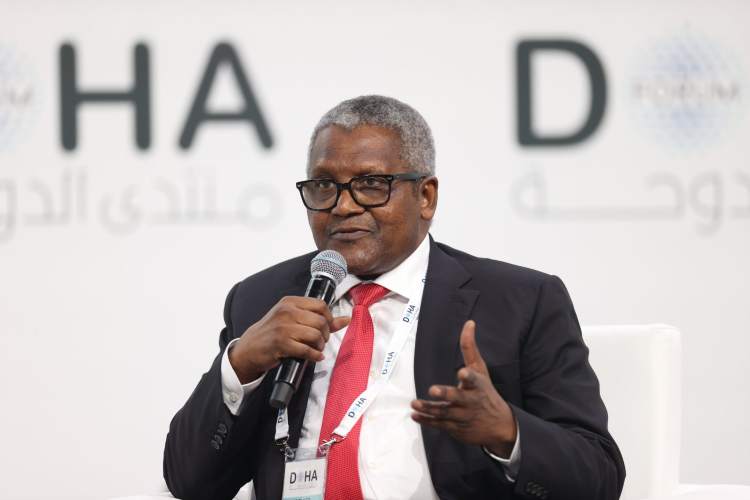
Founder of Dangote Group, Aliko Dangote, said the partnership reflects a broader strategy to deepen industrialisation across Africa by building value chains linking natural resources directly to manufacturing.
“Africa’s energy industry cannot continue exporting raw materials while importing finished products. Through strategic cooperation with GCL, we will create an efficient value chain from natural gas extraction to fertiliser production, strengthening Africa’s capacity to secure its own food supply,” he said.
Chairman of GCL Group, Zhu Gongshan, described the agreement as a milestone for China–Africa industrial cooperation.
“This partnership will combine GCL’s energy infrastructure expertise with Dangote’s manufacturing footprint across the continent,” he said.
Analysts note that the project could significantly reshape the fertiliser market in East Africa, where countries currently rely heavily on imports to meet agricultural demand. Once operational, the plant will be capable of meeting Ethiopia’s entire domestic urea demand while supplying neighbouring markets.