Latest
Check Out The List Of Nigerian Past Presidents And Heads Of State Who Have Ruled Nigeria From 1960 Till Date And Their Achievements

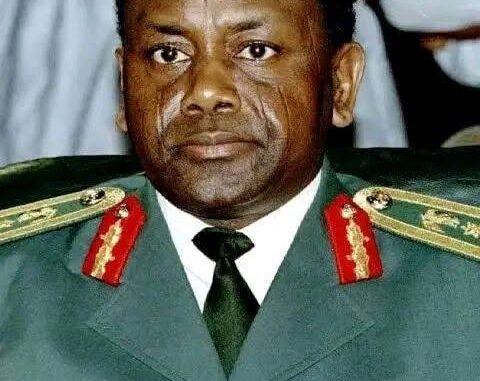
Since attaining independence on October 1, 1960, Nigeria has been governed by 17 individuals who have served as Prime Ministers, Presidents, and Military Heads of State. Their administrations reflect the country’s political evolution from parliamentary democracy to military rule, civil war, economic restructuring, and the restoration of civil governance in 1999.
The First Republic: Foundations of a Nation, 1960 to 1966
1. Alhaji Sir Abubakar Tafawa Balewa, Prime Minister, October 1, 1960 to January 15, 1966.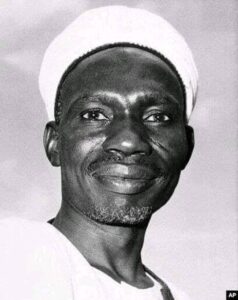
As Nigeria’s first and only Prime Minister, Balewa led the country at independence. He was a moderate and skilled diplomat who positioned Nigeria as a leading voice in Africa and the Non-Aligned Movement.
Major achievements include securing Nigeria’s admission into the United Nations and the Commonwealth, maintaining inter-regional balance, and initiating early infrastructure projects. His government ended with the January 1966 coup in which he was killed.
2. Dr. Nnamdi Azikiwe, President, October 1, 1963 to January 16, 1966.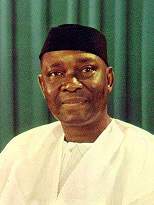
Zik served first as Governor-General and later as the first ceremonial President when Nigeria became a Republic in 1963.
His major contributions were providing symbolic unity during a period of regional tension, promoting Pan-Africanism and education, and projecting Nigeria’s image internationally. Executive power at the time rested with the Prime Minister.
The First Military Era and Civil War, 1966 to 1979
3. Major General Johnson Aguiyi-Ironsi, Head of State, January 16, 1966 to July 29, 1966.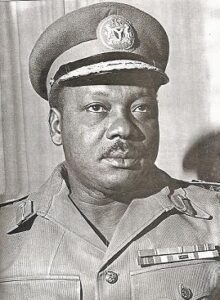
Ironsi assumed power after the first military coup.
His administration promulgated Decree No. 34, which abolished the federal structure and introduced a unitary system. The policy increased national tension. He was assassinated six months later during the July counter-coup.
4. General Yakubu Gowon, Head of State, August 1, 1966 to July 29, 1975.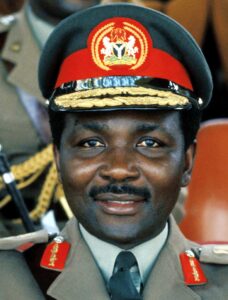
Gowon became Head of State at age 31. His tenure was defined by the Nigerian Civil War from 1967 to 1970.
Major achievements include implementing the policy of Reconstruction, Rehabilitation and Reconciliation, creating 12 states in 1967 to reduce regional power, establishing the National Youth Service Corps in 1973, and using oil revenue to fund universities, roads and public buildings. He was overthrown while attending an OAU summit.
5. General Murtala Ramat Mohammed, Head of State, July 29, 1975 to February 13, 1976.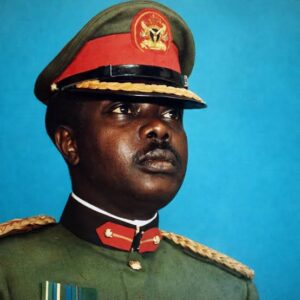
Murtala’s administration lasted about 200 days but had wide impact.
Major achievements include creating 7 additional states, announcing the relocation of the federal capital to Abuja, launching Operation Feed the Nation to boost agriculture, and carrying out a major purge of the civil service to address corruption. He was assassinated during the failed Dimka coup attempt.
6. General Olusegun Obasanjo, Head of State, February 13, 1976 to October 1, 1979.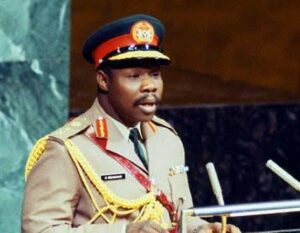
As Murtala’s deputy, Obasanjo completed the transition program.
Major achievements include promulgating the 1979 Constitution, handing power to civilians in the first peaceful military to civilian transition, and strengthening Nigeria’s role in ECOWAS and in supporting liberation movements in Southern Africa.
The Second Republic: Return to Civil Rule, 1979 to 1983.
7. President Shehu Usman Aliyu Shagari, October 1, 1979 to December 31, 1983.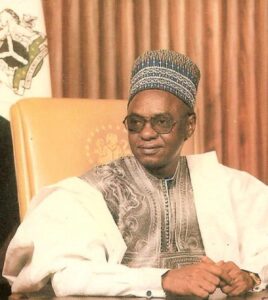
Shagari was Nigeria’s first democratically elected executive President.
Major achievements include the Green Revolution for agriculture, expansion of Universal Primary Education, commencement of the Ajaokuta Steel Project, and a national housing program. His administration faced economic challenges and was overthrown by the military.
The Second Military Era: Economic Reform and Political Turmoil, 1983 to 1999
8. Major General Muhammadu Buhari, Head of State, December 31, 1983 to August 27, 1985.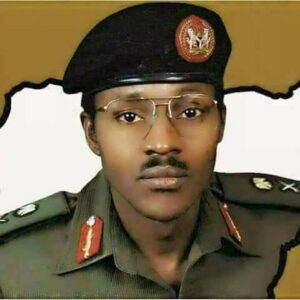
Buhari came to power on a platform of discipline and anti-corruption.
Major actions include launching War Against Indiscipline, instituting austerity measures, and establishing military tribunals to try corrupt officials. He was removed in a palace coup.
9. General Ibrahim Badamasi Babangida, Head of State, August 27, 1985 to August 26, 1993.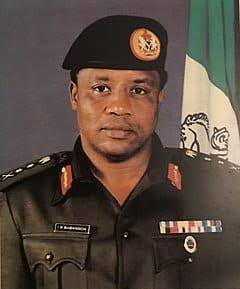
Babangida presided over major economic and structural changes.
Major achievements include introducing the Structural Adjustment Program, creating 11 states and 300 local governments, and establishing agencies such as the Directorate of Food Roads and Rural Infrastructure and the National Directorate of Employment. The annulment of the June 12, 1993 presidential election remains a key event of his era. He stepped down under pressure.
10. Chief Ernest Shonekan, Interim Head of Government, August 26, 1993 to November 17, 1993.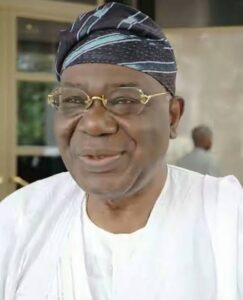
A technocrat appointed to lead an Interim National Government.
His focus was to stabilize the economy and manage the transition. His government lasted 83 days before being dissolved by General Abacha.
11. General Sani Abacha, Head of State, November 17, 1993 to June 8, 1998.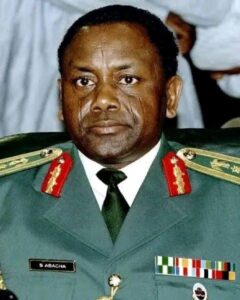
Abacha’s regime was marked by centralization of authority.
Major actions include launching the Vision 2010 development blueprint, reducing external debt, and investing in infrastructure. His tenure also faced human rights concerns and international sanctions. He died in office.
12. General Abdulsalami Abubakar, Head of State, June 9, 1998 to May 29, 1999.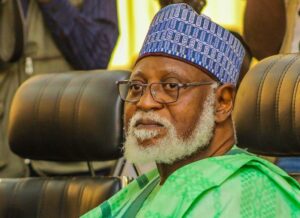
Abubakar is credited with Nigeria’s fastest democratic transition.
Major achievements include releasing political detainees, lifting bans on political parties, conducting credible elections, and handing over to an elected civilian government on May 29, 1999.
The Fourth Republic: Consolidation of Democracy, 1999 to Present
13. Chief Olusegun Obasanjo, President, May 29, 1999 to May 29, 2007.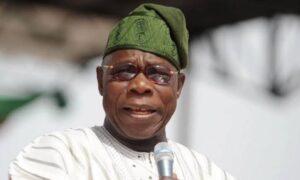
Obasanjo was the first president of the Fourth Republic.
Major achievements include securing 18 billion dollars in debt relief, establishing the EFCC and ICPC, liberalizing the telecommunications sector which led to the GSM boom, pursuing banking consolidation and privatization, and raising Nigeria’s profile in the African Union and NEPAD.
14. President Umaru Musa Yar’Adua, May 29, 2007 to May 5, 2010.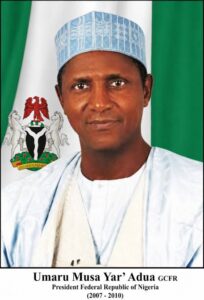
Yar’Adua campaigned on the Rule of Law and electoral reform.
Major achievements include initiating the Niger Delta Amnesty Program which reduced militancy, and proposing a 7-Point Agenda focused on power, security and infrastructure. He died in office after a prolonged illness.
15. Dr. Goodluck Ebele Jonathan, May 6, 2010 to May 29, 2015.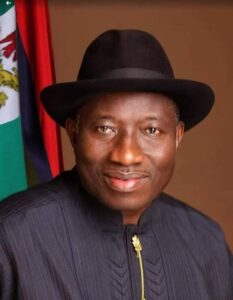
Jonathan assumed office following Yar’Adua’s death and was elected in 2011.
Major achievements include GDP rebasing in 2014 which made Nigeria Africa’s largest economy, implementing the YouWin entrepreneurship program, privatizing the power sector, and rehabilitating the rail system. His peaceful concession in the 2015 election was widely praised as a milestone for democracy in Africa.
16. President Muhammadu Buhari, May 29, 2015 to May 29, 2023.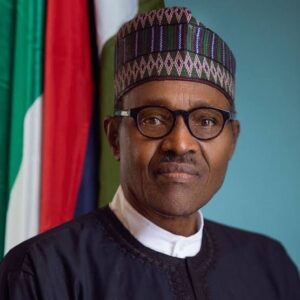
Buhari returned as a civilian president.
Major achievements include prioritizing anti-corruption through the Treasury Single Account and Bank Verification Number, investing in infrastructure such as the Lagos-Ibadan Standard Gauge Rail, Abuja-Kaduna Rail and the Second Niger Bridge, launching Social Investment Programs including N-Power, and focusing on agricultural self-sufficiency.
17. President Bola Ahmed Tinubu, May 29, 2023 to Present.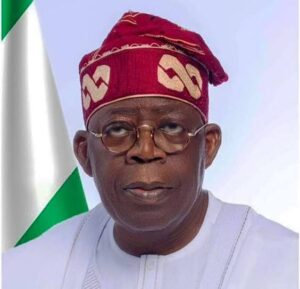
The current President and former Governor of Lagos State.
Major policy directions so far include removal of fuel subsidy and unification of exchange rates to improve fiscal efficiency, introduction of the Student Loan Scheme, focus on food security and manufacturing, and the Renewed Hope Agenda centered on job creation, infrastructure and attracting investment.
C L I C K T O S E E V I D E O…..
At independence, Nigeria was a constitutional monarchy with Queen Elizabeth II as Head of State, represented by a Governor-General. This arrangement ended on October 1, 1963, when Nigeria became a Republic. Since that date, all Heads of State have been Nigerian citizens.
From Balewa’s diplomacy to Tinubu’s economic reforms, Nigeria’s leadership has navigated war, oil booms, debt crises and democratic transitions. Each administration has contributed institutions, policies and infrastructure that continue to shape the nation. The period from 1960 to date reflects a persistent pursuit of unity, stability and development in Africa’s most populous country….See_More