World
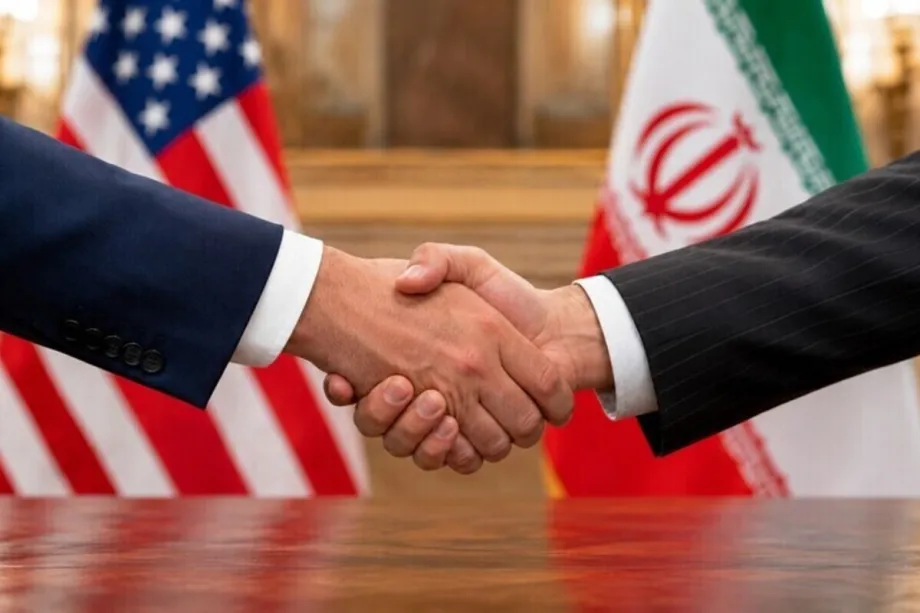
Ceasefire, the Memorandum of Understanding, and intermittent exchanges of fire: Can Iran and the US negotiate a permanent peace treaty?

The post-February 2026 war period marks a new phase in US–Iran relationship, a relationship of strange diplomatic impasse characterized by no war, nor peace, but a rotating cycle of ceasefire announcements, Memoranda of Understanding (MOUs), and intermittent exchanges of fire across the Strait of Hormuz. This situation indicates structural problems that both sides are unprepared to address. The absence of a permanent peace treaty, as expected from negotiations, is the logical outcome of incompatible strategic objectives, domestic political constraints, and a shared preference for managed instability.
Recent reporting underscores this structural paradox. The US–Iran MoU, signed on 17th June 2026, is explicitly framed not as a peace treaty, but as a temporary framework to “pause hostilities and open negotiations.” Yet even this limited arrangement has already been strained by renewed maritime incidents and retaliatory strikes in the Gulf, where both sides accuse the other of violating the spirit of the ceasefire, straining peace negotiations.
It explicitly defers hard questions about nuclear capability, sanctions relief, regional proxy dynamics, and maritime security.
Process diplomacy, and no end outcome
This structure creates a recurring cycle: escalation, emergency de-escalation or ceasefire, MOU or interim framework, partial compliance disputes, and renewed confrontation. Each loop reinforces the next.
READ: Iran warns it is ready for war if US fails to honour agreement
Why a treaty is structurally unlikely
A permanent peace treaty is a long process to complete, not a 60-day time frame to achieve lasting peace. Three structural barriers dominate Iran–US negotiations:
The first is the absence of a shared definition of security. For Washington, Iranian nuclear capability is a proliferation risk embedded in a broader regional security challenge, especially for Israel. For Tehran, nuclear capability is a deterrent against regime change and external coercion. These are not negotiable differences in policy, they are incompatible security interests.
The second structural barrier is asymmetric warfare as a substitute for diplomacy. Iran’s regional strategy relies heavily on asymmetric influence: allied militias, maritime pressure points, and strategic depth across Iraq, Syria, Lebanon, and Yemen. The US, by contrast, relies on forward military presence, sanctions regimes, and alliance networks in the Gulf and beyond. This asymmetry means neither side can credibly guarantee restraint in a treaty format. Even if the two governments sign agreements, proxy actors complicate enforcement.
The third structural barrier is the credibility gap. A treaty requires trust in long-term compliance mechanisms. But both the US and Iran interpret past agreements as having been violated, reinterpreted, or abandoned depending on political shifts. President Trump during his first term in office threw the JCPOA, negotiated by the Obama administration, under the bus in 2018. The result is a deep credibility deficit that no single agreement can easily repair.
The three structural barriers are buttressed by the two unresolved issues of nuclear conflict and U.S. imposed sanctions regime on Iran. This is further exacerbated by domestic political constraints.
The nuclear issue as the unresolved core tension
At the center of the conflict is Iran’s nuclear program. Even when negotiations appear to focus on sanctions or maritime security, nuclear capability remains the implicit organizing issue.