Topnews
Cancer Research Shockwave, New Drug Doubles Survival While Weight Loss Pills Show Hidden Power

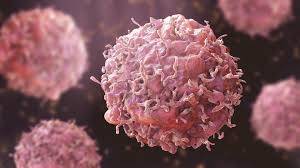
(Cancer. Photo Credit: Live Science)
Cancer researchers unveiled a number of significant treatment advances at the American Society of Clinical Oncology’s (ASCO) annual meeting in Chicago, which wrapped up on Tuesday.
Among the highlights were early but encouraging findings suggesting that popular weight loss drugs may also have a role to play in cancer care.
Pancreatic Cancer Breakthrough
Of the more than 7,000 studies presented at the summit, a clinical trial focused on pancreatic cancer stood out as one of the most celebrated.
The disease is among the deadliest forms of cancer, and the trial marked the first meaningful advance in its treatment in many years.
Developed by American startup Revolution Medicines, the new drug daraxonrasib outperformed standard chemotherapy in patients with an aggressive but prevalent form of the disease.
Patients on the new treatment survived for a median of over 13 months, roughly twice as long as those in the chemotherapy group.
Oncologist Monty Pal described the findings as representing an unprecedented shift in how advanced pancreatic cancer is approached.
The drug also holds promise for treating other cancers, as it targets a protein involved in several cancer types that had previously resisted all therapeutic efforts.
Weight Loss Drugs and Cancer
Researchers also presented early-stage but promising data suggesting that widely used weight loss medications such as Ozempic and Wegovy which work by mimicking a gut hormone known as GLP-1 could potentially slow cancer progression.
Originally developed for diabetes management, these drugs are already known to offer cardiovascular benefits.
Since many patients who use them are also at elevated risk of developing certain cancers due to obesity or diabetes, researchers investigated whether the medications could prevent early-stage cancers from advancing to a metastatic stage.
The findings showed a 38 to 50 percent reduction in disease progression across four cancer types lung, breast, colorectal, and liver among patients on GLP-1 drugs compared to those on conventional diabetes treatments.
However, study author Mark Orland cautioned that the results are preliminary and would need to be validated through randomised clinical trials.
Scaling Back Unnecessary Treatments
Several presentations examined the possibility of reducing the intensity of certain cancer treatments without compromising patient outcomes.
One notable study revisited the practice of axillary lymph node dissection a surgical procedure that removes lymph nodes from the armpit in some breast cancer patients.
The trial concluded that skipping the procedure is safe for patients whose cancer has spread to only one or two lymph nodes, given the significant side effects the surgery can cause.
ASCO vice president Julie Gralow welcomed the findings, suggesting that the procedure has likely been performed far more often than necessary, causing avoidable long-term complications.
Personalising Prostate Cancer Treatment
An international trial on prostate cancer the most prevalent cancer in men and the second leading cause of cancer-related deaths also drew considerable attention.
The study explored a combination therapy for patients with specific genetic mutations, who typically develop more aggressive forms of the disease.
The treatment paired enzalutamide, which blocks the hormonal signals that feed tumour growth, with talazoparib, which disrupts the cancer cells’ ability to repair their own DNA.
Among patients carrying the BRCA2 gene mutation associated with some of the most aggressive forms of the disease the combination reduced the risk of tumour progression or death by 65 percent.
French-Moroccan professor Karim Fizazi, who led the study, described the results as exceptional and a major step forward.
Blood Tests Fall Short
While some studies highlighted the growing potential of liquid biopsies particularly in detecting early signs of treatment resistance results from a blood test called Galleri were more mixed.
The test claims to identify up to 50 types of cancer before symptoms emerge, and was evaluated using data from more than 140,000 patients in the United Kingdom.
Although some aspects of the findings were encouraging, the study failed to demonstrate a clear reduction in late-stage diagnoses across 12 cancer types, leaving the scientific community divided on its value.