World
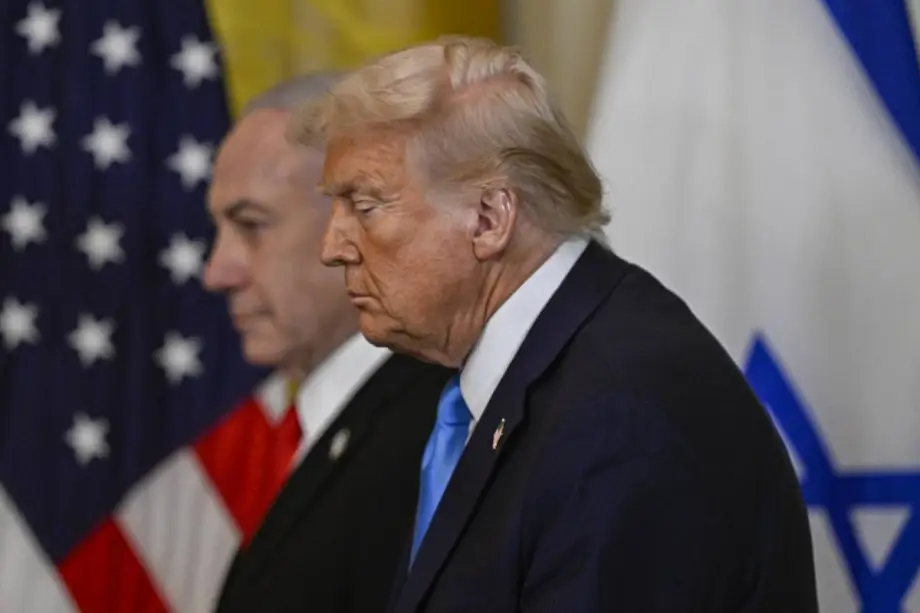
Can Trump restrain Israel?

The latest exchange between Iran and Israel raises a fundamental question: Who is really driving events in the Middle East – Washington or Jerusalem?
Following Israeli strikes on targets in Beirut, Lebanon, Iran responded with strikes against northern Israel and military facilities around Haifa. Israel then immediately retaliated by attacking Tehran, Tabriz, Karaj and Isfahan. While the ceasefire between the United States and Iran is technically in place, the broader regional conflict continues to intensify. Throughout the crisis, President Donald Trump has repeatedly expressed support for de-escalation and urged all parties to avoid a wider war.
Yet events on the ground suggest that Washington’s desire for stability may not necessarily translate into restraint by its closest ally. The current crisis is becoming a test not only of regional security but also of American influence itself.
The Trump administration appears reluctant to become involved in another prolonged West Asian conflict. Unlike previous periods of direct American military engagement in the region, Washington’s priorities today are largely domestic and economic.
This explains why Washington continues to advocate restraint and emphasize the importance of maintaining the ceasefire framework currently in place.
Israel, however, views the situation through a different lens.
From the Israeli perspective, Hezbollah and Iran remain immediate security threats that cannot be ignored. Israeli leaders claim that military pressure is necessary to weaken these adversaries, regardless of American concerns about regional escalation.
Yet security alone does not fully explain Israel’s actions.
In this reading, Lebanon is not merely a battlefield but part of a wider Israeli expansionist project.
This creates an important divergence between American strategic interests and Israeli security calculations. The result is an increasingly visible gap between what the United States wants and what Israel is prepared to do.
Recent developments have also highlighted Iran’s growing strategic importance. Iran occupies a critical geographical position overlooking the Strait of Hormuz, through which a significant portion of the world’s oil and gas supplies passes. Any disruption to this maritime chokepoint would immediately affect global energy markets and international trade.
More importantly, external pressure has strengthened domestic unity within Iran. The groups that previously disagreed with the government have increasingly rallied around the state in response to external threats. Regionally, Iran has demonstrated both military capability and strategic reach, reinforcing its position as a major regional power whose actions can no longer be ignored. Recent events have witnessed that Iran possesses significant leverage over regional security and global energy stability.
The central issue, therefore, is not whether Trump supports a ceasefire. He clearly does.
The real question is whether Washington possesses sufficient leverage to translate its preference into Israeli behaviour.