World
Burnham vows ‘new path’ for UK as he eyes bid to oust PM Starmer

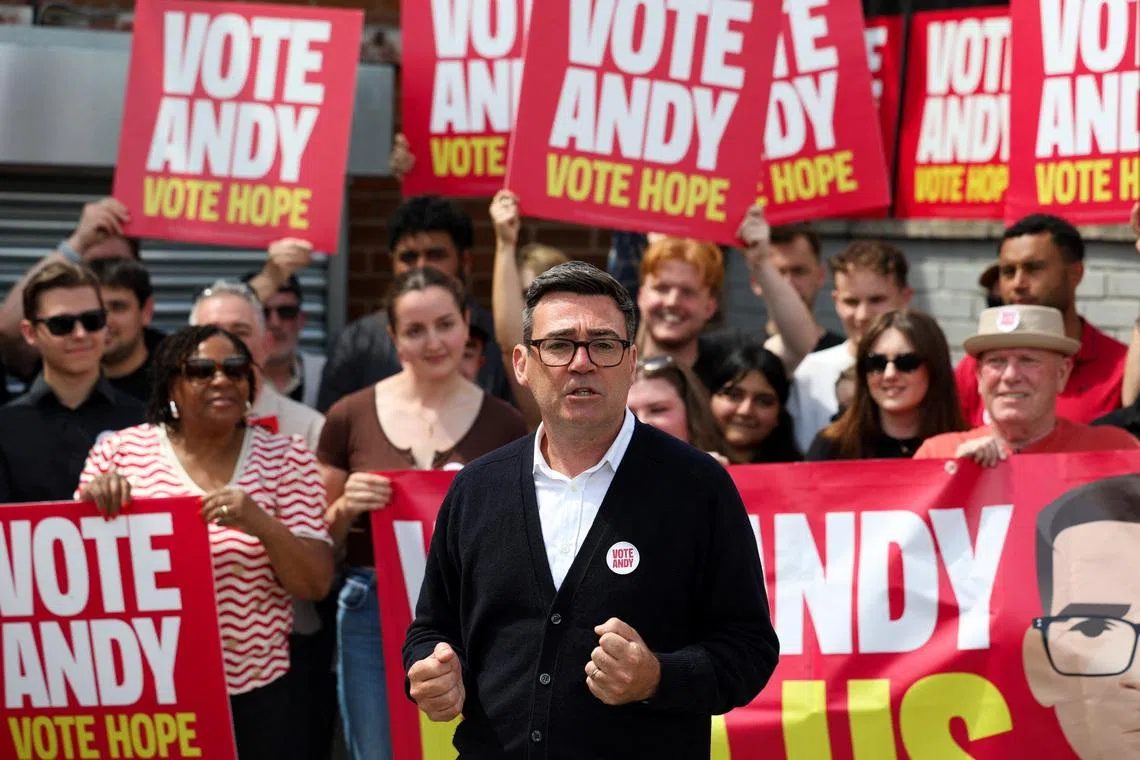
LONDON – Veteran British Labour politician Andy Burnham vowed to put Britain on a new path after winning a crunch by-election on June 19, as Prime Minister Keir Starmer pledged to fight any bid to oust him from office.
Burnham, a former government minister who has been Greater Manchester mayor since 2017, ensured his return to Parliament by easily beating the far-right Reform UK party’s candidate in the Makerfield constituency in north-west England.
The 56-year-old stalwart of Labour’s centre-left is seeking to replace Starmer as party leader and prime minister, and needed to win the high-stakes vote to be in a position to trigger such a contest.
“I do say to my own party, this is a final chance to change,” Burnham said in his acceptance speech after securing nearly 55 per cent of the vote, beating Reform’s Robert Kenyon by more than 9,000 ballots.
“We’ve been on a path for 40 years that simply hasn’t worked for people and places in this part of the world,” Burnham told cheering crowds on June 19.
“This is the change moment, we have an opportunity to turn the tide,” he said, adding: “We’re going to lay out a new path for Britain.”
Starmer congratulated Burnham, but pledged to fight any leadership challenge during a public appearance in London on the morning of June 19.
“If there is a contest then yes, I will run, I will stand. I’ve said repeatedly, I’m not going to walk away from that,” he told reporters.
The 63-year-old former lawyer has repeatedly refused to quit despite dozens of calls from his own MPs and several ministerial resignations. He insists his landslide election victory over the Conservatives in July 2024 gave him a five-year mandate to govern.
The Times daily reported that ministers were meeting Starmer on the afternoon of July 19 to tell him his “time is up” and he should set out a timetable for “orderly transition”.
They reportedly included Interior Minister Shabana Mahmood and Energy Minister Ed Miliband.
If Starmer does leave office in 2026, then Britain will get its seventh prime minister in 10 years.
Burnham is due to be sworn in as a Member of Parliament on June 22. Under Labour Party rules, any leadership candidate must be an MP.
From the so-called soft-left wing of the party, Burnham has been an outspoken critic of Starmer’s more centrist rule. He will easily muster the support of 81 of Labour’s 400-plus MPs – the minimum needed to kick-start a contest.
The Daily Telegraph reported on June 19 that Burnham’s backers were calling Labour MPs, seeking support from 200 – almost half – to deter Starmer from fighting on.
Former health minister Wes Streeting, from Labour’s right wing, has vowed to join any race, but could end up striking a deal with Burnham to avoid a divisive fight.
With Burnham back in Parliament, a replacement will need to be elected to fill his old job of mayor of Greater Manchester in north-west England, which city officials have confirmed will be on July 30.
Labour will face another fight against Reform and the Greens, which have both performed well in other recent polls.
In a speech on June 19 to his team and constituents, Burnham outlined policy goals to “make people feel hope again”, focusing on the cost-of-living crisis and unemployment.
He pledged to “bring down water bills, energy bills, rail fares” and urged “a new drive of re-industrialisation” in the north of England and other regions, fuelled by public procurement.
Young people need clear paths into industry such as guaranteed work placements or apprenticeships, he added.
In a nod to migration concerns, Burnham slammed the practice of accommodating large numbers of asylum seekers in “houses of multiple occupation” (HMOs), which he said meant “areas like this can end up like HMO Britain”.
The June 18 vote for the Makerfield seat was seen as a test of whether Burnham could defeat Reform, led by anti-immigrant firebrand Nigel Farage, in a national ballot.
Opinion polls suggest Reform could win the next general elections, not expected until 2029.
Farage said in a video on social media platform X that he was “disappointed” by Reform’s result, but argued that people had voted primarily to get Starmer out.
The fringe far-right Restore Britain party dented Reform’s vote by snagging nearly 7 per cent of the ballot.
Starmer has been clinging to power since Labour suffered a drubbing in local polls in England, Scotland and Wales in May.
He has been rocked by several policy U-turns and a scandal over his appointment of former Jeffrey Epstein associate Peter Mandelson as Britain’s ambassador to Washington. AFP