Topnews
‘BA MAYI!’ FURY AT ABUJA MOSQUE: Stones Thrown at Tinubu’s Convoy as Hardship, Bloodshed, and Anger Over Perceived Indifference Threaten 2027 Support

ABUJA, Nigeria — Ahead of Nigeria’s 2027 general elections, political analysts, opposition figures, and local media outlets report growing public dissatisfaction in Northern Nigeria over rising living costs and persistent insecurity, while the administration of President Bola Tinubu maintains that ongoing economic reforms and security investments are laying the groundwork for long-term recovery.
Economic Pressures and Perceptions of Governance
According to analyses in ThisDay and Business Hallmark, households and small businesses across Northern Nigeria have faced severe economic strain following the removal of fuel subsidies and currency adjustments, with surging food prices and transportation costs directly impacting daily livelihoods. Business Hallmark noted that popular frustration over inflation and economic hardship has placed several northern All Progressives Congress (APC) governors in a difficult political position as they balance loyalty to the federal administration against constituent grievances.
Critics and opposition voices have also accused the federal government of insensitivity toward public suffering. In a report on Nigeria’s security and political climate, Africa Confidential observed that anger in the north over worsening criminality and economic distress has been compounded by public criticism of what detractors describe as ostentatious displays of wealth by government officials. Similarly, opposition leaders such as Peter Obi have publicly questioned the administration’s management of subsidy savings and borrowing amid widespread poverty.
Insecurity and Rural Disruption
Insecurity remains a central concern across the North-West, North-East, and North-Central regions, where banditry, kidnappings, and communal violence continue to displace residents and disrupt agricultural production. According to Deutsche Welle (DW) Africa, nearly 64,000 Nigerians fled to neighboring Niger in 2026 to escape ongoing violence, raising questions among observers about the effectiveness of current security strategies ahead of the 2027 polls. ThisDay further noted that persistent attacks on farming communities have curtailed food production, deepening both local economic hardship and national food inflation.
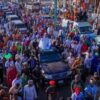
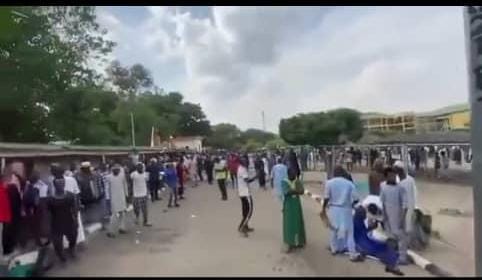
Recent public demonstrations—including chants of “Ba mayi” (“we don’t want”) and reports from Premium Times and ICIR of stones thrown toward the presidential convoy following Juma’at prayers at the Shehu Shagari Central Mosque in Abuja on November 13—have been cited by critics as visible expressions of public discontent.
The Presidency’s Response and Policy Defense
President Tinubu and officials within his administration have rejected characterizations of indifference, arguing instead that difficult structural decisions were necessary to prevent economic collapse. Speaking during a campaign engagement in Jigawa State earlier this week, the president defended the removal of fuel subsidies as essential for funding infrastructure, road maintenance, and national development, while pledging interest-free loans, mechanization, and irrigation support for small-scale farmers to boost food security.
On security, the State House and the Federal Ministry of Information reported that the administration is expanding military and police recruitment, improving personnel salaries, and procuring additional defense equipment to combat criminal groups. Following Friday’s incident in Abuja, The Punch reported that President Tinubu authorized security agencies to confront political thuggery and violence firmly ahead of the 2027 elections, while supporters of the administration point to ongoing federal road, energy, and agricultural initiatives as evidence of sustained commitment to northern development.
Related