World
Ali Khamenei and Palestine as the Enduring Axis of the Islamic Revolution

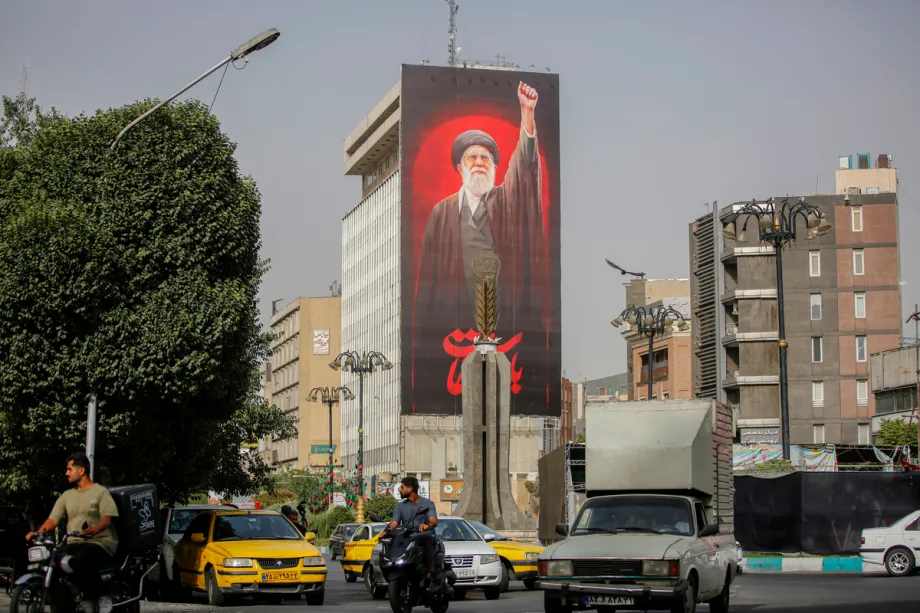
For Ayatollah Seyyed Ali Khamenei, the defence of Palestine was never a circumstantial matter of foreign policy. Rather, it constituted the enduring axis of his political, diplomatic and strategic vision throughout nearly four decades as Leader of the Islamic Republic of Iran.
Since the 1979 Islamic Revolution, the Palestinian cause has ceased to be merely a regional issue, becoming instead one of the founding principles of the Iranian state. Under Khamenei’s leadership, this commitment was deepened and consolidated as an expression of the struggle against colonialism, occupation and foreign hegemony in the Middle East.
In Khamenei’s view, Palestine represented the greatest contemporary injustice inflicted upon a people deprived of their land, sovereignty and right to self-determination.
For this reason, he consistently rejected initiatives that reduced the Palestinian question to limited negotiations or agreements sponsored by Western powers, arguing that no settlement could be considered legitimate if it preserved the occupation, denied Palestinian refugees their right of return, or continued to deny the Palestinian people’s national rights.
This position continued the legacy of Imam Ruhollah Khomeini, founder of the Islamic Republic, who transformed Jerusalem and Palestine into one of the fundamental pillars of the Revolution.
Even while confronting a devastating war, decades of economic sanctions, international isolation and persistent military threats, Khamenei never relegated Palestine to a secondary concern. On the contrary, he maintained that defending Palestine was inseparable from defending Iran’s own independence and sovereignty.
Throughout his leadership, Khamenei transformed this commitment into a permanent state policy. Tehran became one of the principal centres for dialogue among Palestinian resistance leaders.
During successive meetings with delegations from Hamas, the Palestinian Islamic Jihad and other organisations, Khamenei repeatedly reaffirmed the Islamic Republic’s political, spiritual and material support while encouraging greater coordination among the various resistance movements.
Beyond hosting these meetings, Khamenei played a significant role in fostering closer cooperation between Hamas and the Palestinian Islamic Jihad, advocating permanent mechanisms for political and strategic coordination among resistance forces. His conviction was that fragmentation benefited the occupation, whereas unity strengthened the path towards liberation.
READ: Iranian president criticises international silence over Israeli actions
Iranian support extended well beyond rhetorical solidarity. Under Khamenei’s leadership, the Islamic Republic provided diplomatic backing in international forums, material assistance and support aimed at strengthening the resilience and capabilities of Palestinian organisations.
At the same time, Khamenei conferred moral and religious legitimacy upon the Palestinian struggle, presenting it as a collective duty of the Ummah. By regularly receiving leaders of predominantly Sunni movements, he reaffirmed that Palestine transcended sectarian divisions, transforming resistance to Zionist occupation into a point of convergence between Shia and Sunni Muslims.
This conception also explains the central place occupied by Palestine within what became known as the Axis of Resistance.
For Khamenei, resistance was never merely a military response to occupation. It was a regional political project dedicated to defending the sovereignty of nations against foreign intervention.