World
Alberta separatists seek vote to leave Canada

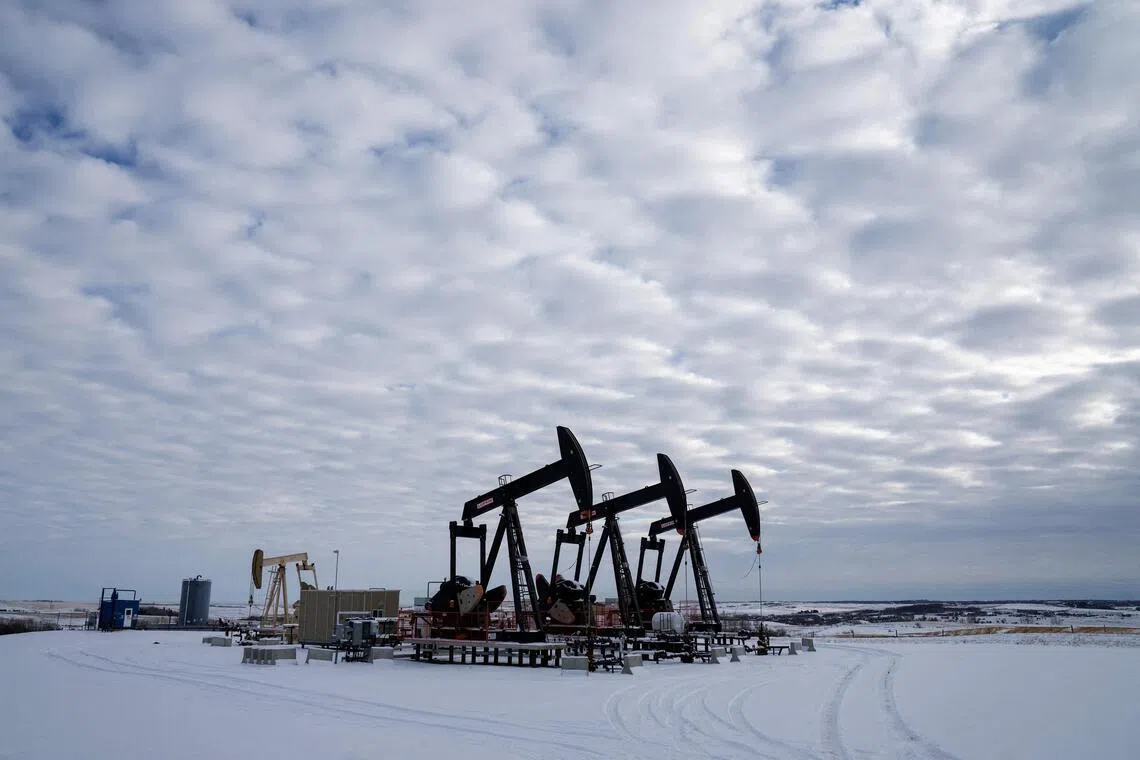
Edmonton, Canada – Separatists who want oil-rich Alberta to break away from Canada head to the provincial capital Edmonton on May 4 to submit a petition that they say has enough signatures to force a referendum.
The pro-independence camp in the western province of five million people had existed on the margins for decades, but the movement has gathered pace in recent months and is closer than ever to triggering a vote.
Polls put separatist support at roughly 30 per cent, but even if the federalist side wins a prospective referendum, leaders on both sides say the process has left Canada permanently changed.
Standing outside the provincial legislature on a grey May 3 evening, former Alberta deputy premier and activist for the federalist side Thomas Lukaszuk told AFP he now struggles to look at the blue provincial flag of Alberta fluttering behind him, saying it has been co-opted by separatists.
“It stands for something that most of us Albertans and Canadians don’t stand for. It’s a form of treason,” said Mr Lukaszuk, who moved to Canada as a child when his family sought refuge from communist Poland.
He concedes that some separatists have legitimate grievances Ottawa should work to address, including demonisation of an oil industry that remains an important source of livelihood in the province.
Mr Lukaszuk, who is spearheading Alberta’s Forever Canadian campaign, said the ongoing separatist movement has been helped by a right-wing premier, Ms Danielle Smith, who has sought closer ties with President Donald Trump’s Republican Party.
Tacit support from Washington, including several State Department meetings, has also helped, he said.
“The separatists are not elected members. They’re just citizens of Canada residing in Alberta, and they actually formed delegations and are received by the highest levels of US administration. That must be very empowering to them,” he told AFP.
US Treasury Secretary Scott Bessent also drew Canadian furor in January when he said Alberta and the United States would make “natural partners”.
The group coordinating the separatist effort, Stay Free Alberta, had until the beginning of May to collect 178,000 signatures.
Their leader Mitch Sylvestre told AFP last week they had comfortably cleared that threshold.
Separatists are planning to enter Edmonton in a convoy on May 4 before Mr Sylvestre tries to deliver his petition to provincial officials.
Alberta’s First Nations – indigenous groups who signed treaties with Britain before Canada won independence – have filed a court challenge, arguing that separating Alberta would violate their treaty rights, a case that could render the entire process moot.
But Mr Michael Wagner, an independent historian and long-standing supporter of Albertan independence, said last week that the impact of the separatist effort will be enduring.
“Even if we lose the referendum, (this) is not going to just disappear,” he told AFP. “I think this is going to be a permanent change in our political culture.”
Mr Lukaszuk said he has lived in Alberta for 46 years and has “never seen this province as divided as it is right now”.
“Neighbours don’t talk to neighbours, family members don’t talk to family members, and that is extremely damaging to the fabric of our province.”
Alberta joined the Canadian confederation in 1905 and resentments towards eastern political leaders in Ontario and Quebec fuelled marginal separatist movements at various points over the last century.
But anger at Ottawa intensified in protest against former prime minister Pierre Trudeau’s 1980 National Energy Program, which broadened Ottawa’s control over the oil industry.
The programme included new taxes giving Ottawa more revenue from Alberta’s oil as a safeguard following the oil price shocks of the 1970s.
Mr Wagner called the programme a “game-changer” which entrenched the idea of independence.
Fast-forward 35 years, and Trudeau’s son Justin was elected prime minister with a climate-conscious agenda reviled by many in Alberta.
Some independence supporters want Alberta to join the United States, but the group’s leaders say they are merely seeking support from Mr Trump to help secure an exit from Canada. AFP