World
Al Carns resigns as UK defence minister after Healey’s exit over military funding

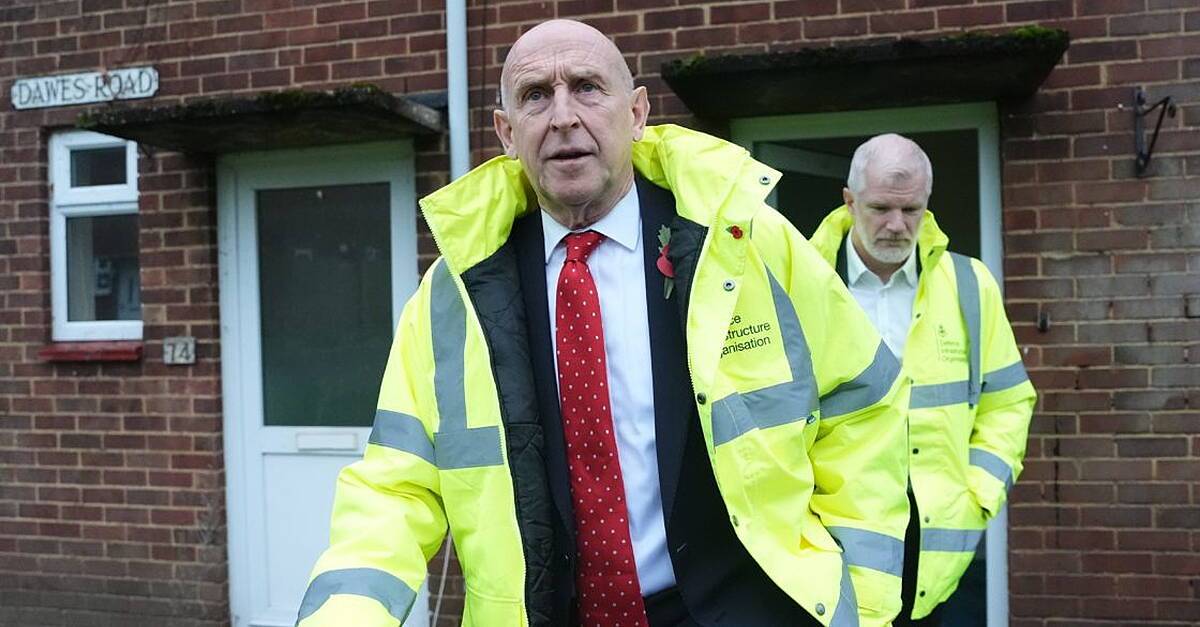
Keir Starmer has suffered another hammer blow to his authority as the British armed forces minister followed John Healey in leaving the UK government over a dispute about long-term funding for the military.
Al Carns quit as a defence minister on Thursday evening, writing to the UK prime Minister to tell him he could not defend “a level of investment I know to be inadequate to the task”.
Healey had earlier resigned as defence secretary claiming Sir Keir had been “unable, and the Treasury has been unwilling”, to provide adequate funding for the defence investment plan (Dip).
Dan Jarvis, a former Parachute Regiment officer, was appointed Mr Healey’s successor late on Thursday.
The Dip, a blueprint for investing more in the military over a sustained period, was originally called for by the strategic defence review almost exactly a year ago and has been long delayed by wrangling over funding.
In his resignation letter to the Prime Minister, former Royal Marines commando Mr Carns wrote: “I have sat in the rooms, seen the assessments, and spoken to the commanders who will be asked to do more with less, and I cannot in good conscience stand at the dispatch box and defend a level of investment I know to be inadequate to the task.
“A serious country funds its defence to meet the threat it actually faces, not the threat it wishes it faced.”
Carns had only an hour before his resignation suggested he was willing to wait until the Dip was finalised before considering his position in the UK government.
But he also suggested to Sky News he could walk away from the UK government if the final version of the plan does not do “right by the armed forces”.
On his exit from the UK government, Healey is understood to have asked other defence ministers to remain in post.
But not all of his team heeded his request, with Pamela Nash – Mr Healey’s parliamentary private secretary – also following his lead in leaving the the government.
She described the “delays and difficulties” which had dogged the Dip as “the latest issue that is damaging to the trust of the public in us”, in a resignation letter to Starmer.
Responding to Healey’s resignation in his own letter, Starmer said he agreed that the UK government has to “go further” on increasing defence funding.
But he insisted the Dip “will provide the resources our military needs to keep us safe and the clarity the British defence industry needs to plan”.
The plan is backed by “the necessary investment”, Sir Keir said, adding that increases in spending underpinning the plan will be “sustainable and fair”.
Warning of cuts elsewhere in the UK government, the UK prime minister said extra defence spending “will mean significant reallocations of funding from across Government departments”.
Concluding his letter, Starmer said: “Taking these decisions is never easy. I am determined to rebuild our country after years of being buffeted by crises. I am sorry that you will not be part of that work going forward.”
Healey said he had received a financial settlement for the Dip on Monday afternoon which “falls well short of what is required”, with extra support coming after 2030 when the “imperative to speed up readiness to fight is in the first two years”.
He said: “After explaining to you that I would not be able to accept a Dip settlement that does not give our forces the resources they need, I am now left with no other option than to submit my resignation as your defence secretary.”

Sources said the UK government had wanted to publish the Dip on Thursday, but with a £13.5 billion uplift that military chiefs said would not be enough to fund the transformation the armed forces needed.
While the Government has committed to spending 3.5 per cent of GDP on defence by 2035, Healey said the plan he was presented with on Monday moved too slowly, with defence spending rising to just 2.68 per cent in 2030 after hitting 2.6 per cent next year.
He added that without a Dip that “meets the moment” he was “forced to make decisions that would reduce the readiness of our forces and increase the risk to personnel on operations, and could make our country less safe”.
Sources said the deal offered by the Treasury did not put a date on increasing spending to three per cent, and had tried to force the Ministry of Defence (MoD) to plan to only reach that figure in 2034/35.
An ally of Healey said the former defence secretary had been “one of the most loyal Labour men for over 30 years” and had “only ever wanted a successful Labour government”.
A Treasury source said the Chancellor would “always do what is right and needed to keep this country safe”, adding she had been “working alongside the PM to deliver billions more to fund the defence investment plan in full”.
A press conference Healey was due to hold with Australian defence minister Richard Marles on a Portsmouth naval base on Thursday afternoon was cancelled at the last minute.
Healey is the fourth Cabinet minister to leave Sir Keir’s Government since coming to power and the second to resign over policy differences after Wes Streeting quit as health secretary last month amid the fallout from Labour’s local election losses.