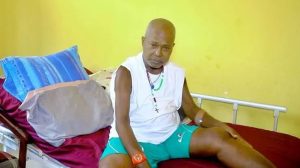

Some people believe that our forefathers lived long, healthy lives without the aid of vaccines. In Nigeria, these opinions have often led to a debate on the necessity of vaccines in healthcare. They have also contributed to vaccine hesitancy among the citizens.
Are vaccines really as important for our health as experts claim, or could Nigeria as a whole have carried on just fine without them?
Exploring evidence of preventable diseases and past vaccination efforts might help shed light on whether or not Nigerians are better off without vaccines.
HOW LONG DID NIGERIANS ACTUALLY LIVE IN THE PAST?
To ascertain the legitimacy of the claim that earlier generations lived longer without vaccines and modern medicine, it helps to look at how life expectancy has changed over time in Nigeria.
In the mid-20th century, before widespread immunisation, life expectancy in Nigeria was significantly lower than it currently is. This was partly because many children died before the age of five as a result of infectious and preventable diseases such as measles, tetanus, and polio. Child mortality was particularly high, but with public health improvements, including vaccination programmes and better access to healthcare, deaths among children under five in Nigeria over the years have reduced.
According to the Nigeria Demographic and Health Survey (2023–24), the percentage of children aged 12 to 23 months who received all basic vaccinations has steadily increased over the decades, from 29 percent in 1990 to 39 percent in 2023. This rise in immunisation coverage has contributed to a significant decline in child mortality. Data from the United Nations Children’s Fund (UNICEF) shows that under-five mortality dropped from 209 deaths per 1,000 live births in 1990 to 104 per 1,000 live births in 2023. Subsequently, Nigeria’s average life expectancy has also improved. According to the World Bank, in 1960, the average life expectancy was around 37 years, compared with about 54 years in 2023.
As public health initiatives like vaccinations improved, childhood survival improved, and the country’s average life expectancy also rose.
While it is true that some individuals lived into old age back then, life expectancy is measured using the average lifespan across an entire population, which drops sharply when many children die young. This means the few long-lived elders do not reflect the many people who died in infancy or early childhood.
POLIO AS A CASE STUDY
Vaccines have prevented millions of deaths worldwide. Measures such as immunisation against polio, measles, and other diseases are widely seen as some of the most cost-effective ways to improve public health. In Nigeria, polio’s elimination as a wild disease is one of the best examples of this impact.
According to the World Health Organisation (WHO), polio is a highly infectious disease caused by the polio virus. It spreads through infected food or water and primarily affects children. Before vaccines, communities in Nigeria and around the world saw frequent outbreaks, leading to many children becoming paralysed or dying. It was estimated that 350,000 children around the world were paralyzed by polio each year.
In the decades before the widespread use of vaccines, polio was endemic in Nigeria, and the country reported high numbers of polio cases yearly.
In 1988, the Global Polio Eradication Initiative (GPEI), which includes WHO, Rotary International, the US Centers for Disease Control and Prevention (CDC), UNICEF, the Bill & Melinda Gates Foundation and Gavi, the Vaccine Alliance, set out to eradicate polio all over the world. The mission required mass vaccination.
Upon the introduction and scale up of polio vaccines, something remarkable happened. Nigeria began large-scale immunisation campaigns and in the decades that followed, reported polio cases dropped dramatically.
However, the eradication of wild polio in Nigeria was far from a smooth journey. It took Nigeria 20 years after the initial global target of polio eradication to reach the milestone when the African region was certified wild poliovirus (WPV) free. This was due to challenges including misinformation about vaccines, religious and cultural resistance, and logistical difficulties.
For instance, in 2003, polio immunisation campaigns were suspended in northern Nigeria following unfounded rumours regarding the safety of the polio vaccine. As a result, a new outbreak occurred. In response to these challenges, Nigeria intensified its polio vaccination campaigns through both routine immunisation and supplemental immunisation activities. Mass immunisation campaigns involved deploying thousands of health workers to vaccinate children under five years of age, house to house visits, fixed post vaccination sites, and outreach to hard-to-reach areas. With these reinforcements and the availability of the new monovalent oral polio vaccines (mOPV), eradication efforts picked up.
Nigeria was officially declared free of wild polio virus on August 24, 2020, which meant the naturally circulating form of the virus was eradicated.