Topnews
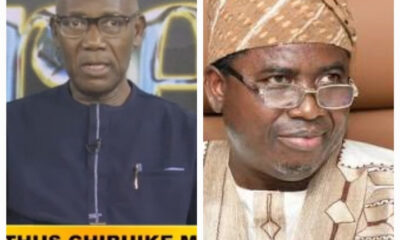
2027: All We May Need to Do is Tolerate the Arrogance of This Government for Another 4 Years- Lawal

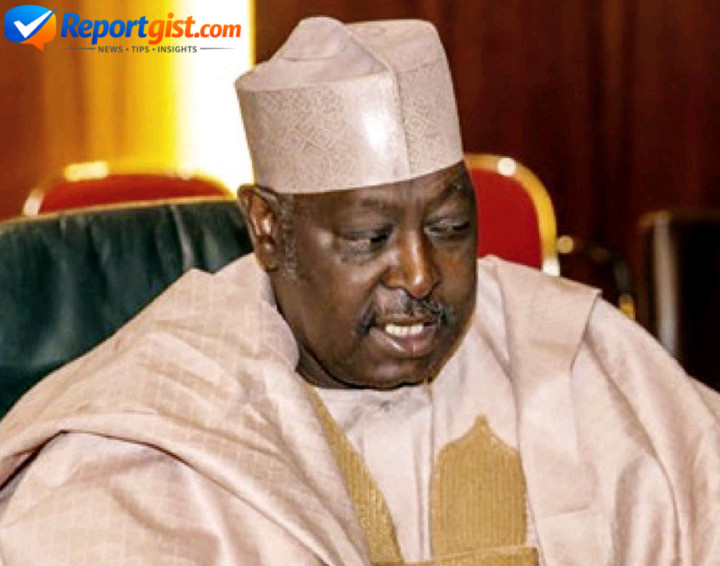
Former Secretary to the Government of the Federation, Babachir Lawal, has expressed reservations about the political landscape ahead of Nigeria’s 2027 presidential election, suggesting that the choices likely to face voters may not provide a straightforward solution to the country’s current challenges.
Lawal made the remarks during an interview published by The Sun Nigeria on June 21, 2026, where he assessed the prospects of key political figures expected to play major roles in the next electoral contest. His comments focused on President Bola Ahmed Tinubu, former Vice President Atiku Abubakar, and former Anambra State governor Peter Obi.
The former SGF acknowledged that the current administration continues to face criticism from various segments of the population over economic and governance issues. However, he indicated that he remains unconvinced that a leadership alternative headed by Atiku would necessarily place the country on a more stable path.
According to Lawal, Nigerians may find themselves confronting difficult political choices as the next election approaches. He argued that while many citizens are dissatisfied with current conditions, selecting an alternative government requires careful consideration of the long-term implications for national stability and governance.
Sharing his assessment of the likely contest between Tinubu and Atiku, Lawal stated:
“Between Atiku and President Tinubu, Tinubu is at least wary of us. All we may need to do is tolerate the arrogance of this government for another four years and then move on.”
The statement has already generated discussion within political circles, with supporters and critics of the administration offering differing interpretations of his remarks.
Lawal emphasized that the country’s political and economic challenges require leaders who possess both the experience and capacity to navigate complex national issues. In his view, voters must evaluate not only campaign promises but also the structures and support systems available to those seeking office.
He also addressed the political prospects of Peter Obi, who remains one of the most prominent opposition figures in the country. While acknowledging Obi’s popularity among sections of the electorate, Lawal questioned whether the political platform backing the former governor possesses the organizational strength required to secure victory in a nationwide presidential election.
According to him, presidential contests in Nigeria are often determined by more than public enthusiasm. He argued that successful campaigns typically depend on extensive grassroots structures, strong financial resources, experienced political operatives, and a party network capable of mobilizing support across the country’s diverse regions.