Breaking
16 Days of Activism Against GBV: Over 200 women, girls killed in Nigeria in 2026 – report

From Fred Ezeh, Abuja
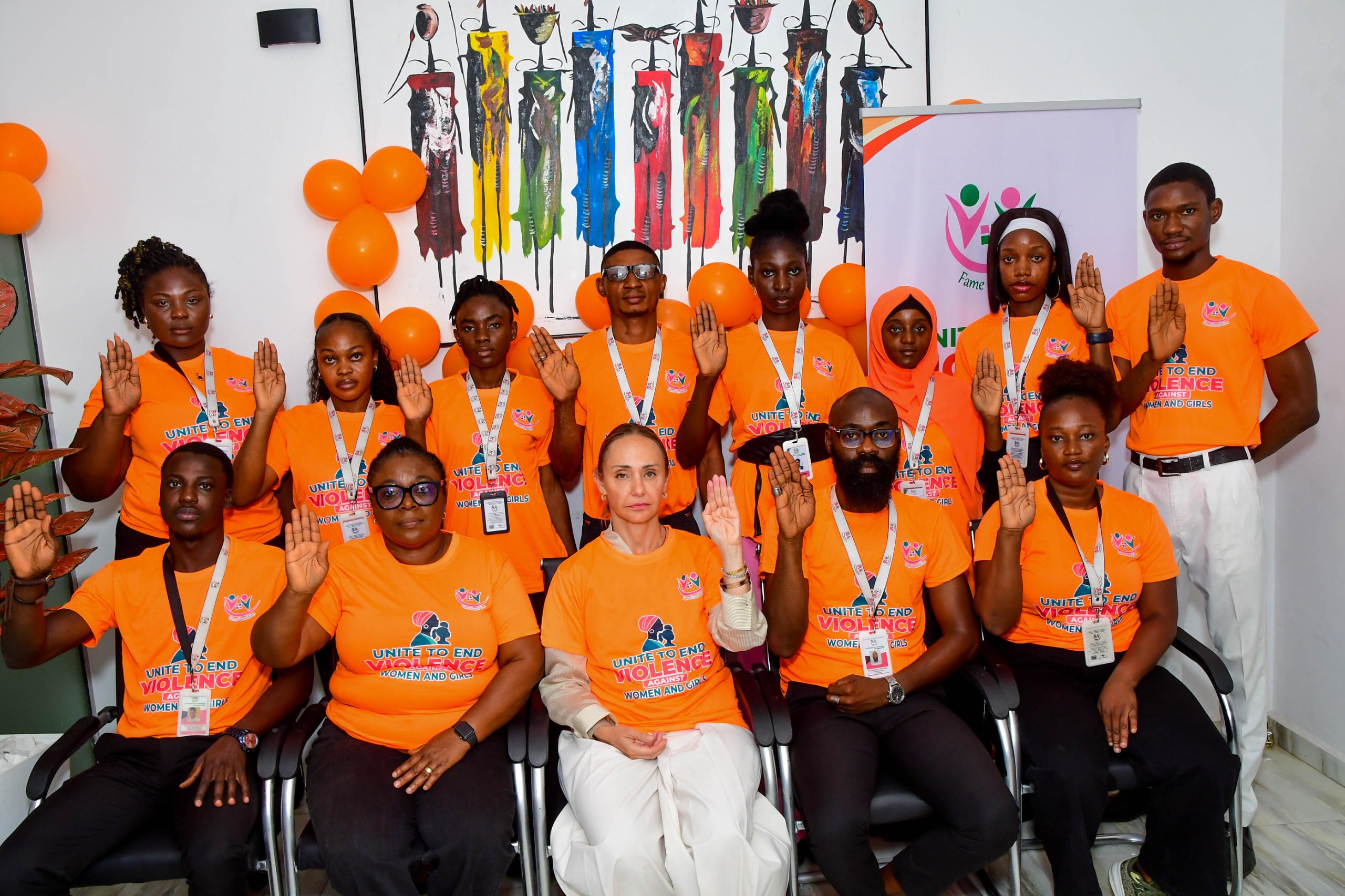
The FAME Foundation has disclosed that more than 200 women and girls have been killed across Nigeria in 2026, raising concerns over the growing incidence of femicide and the country’s response to gender-based violence.
The Foundation made the disclosure on Wednesday in Abuja while launching the 2026 16 Days of Activism Against Gender-Based Violence, and described femicide as a national emergency requiring urgent government intervention and stronger accountability within the justice system.
The Chairperson of FAME Foundation, Victoria Minaise, said the figure was derived from the organisation’s Femicide Tracker, stressing that the actual number of victims could be higher because many cases remained unreported owing to stigma, fear and shame.
She said the theme of this year’s campaign, “Unite to End Violence Against Women and Girls: Ensure Justice, Protect Survivors, End Impunity,” was aimed at drawing attention to the killings, protecting survivors and ensuring that perpetrators were brought to justice.
Minaise cited United Nations figures indicating that 83,000 women and girls were intentionally killed globally in 2024, with 60 per cent murdered by intimate partners or family members, noting that Africa recorded the highest rate of such killings.
According to her, findings from the Foundation’s tracker showed that husbands and boyfriends were among the most frequently identified alleged perpetrators of femicide in Nigeria.
Board member Juliana Taiwo-Obalonye, who highlighted some of the reported cases, mentioned Umaima Maidawa, 25, allegedly beaten to death by her husband in Kebbi State in January; Abuja-based lawyer Princess Chigbo, killed in January; and 23-year-old Mmesoma Umeorini, whose ex-boyfriend was arrested following her disappearance in Anambra State in October.
She also cited the killing of Khadija, popularly known as Nana, allegedly hacked to death in Toro, Bauchi State, earlier this month, adding that three suspects had been arrested.
Taiwo-Obalonye, however, emphasised that suspects remained innocent until proven guilty, lamenting that arrests alone did not amount to justice, particularly when families of victims were left waiting for the conclusion of investigations and prosecution.
As part of efforts to address the situation, the Foundation announced the launch of two initiatives: the Safe to Speak Handbook, designed to guide survivors, families and institutions on reporting and responding safely to abuse, and the Africa Network to End Femicide (ANEF), which will connect organisations across the continent to share data and strengthen accountability.
The Foundation also outlined activities for the 16-day campaign, including advocacy at the University of Abuja on 27 November, community and secondary school engagements, and a webinar on 30 November on femicide data, accountability and prevention in Africa.
It said the campaign would end on 10 December, Human Rights Day, with the publication of its 10-Point Justice Reform Demands.
The Foundation called on the government to strengthen the enforcement of existing laws, accelerate investigations and prosecutions, fund survivor-support services and establish a national femicide tracking system.
It also urged Nigeria to sign and ratify the African Union Convention on Ending Violence Against Women and Girls, which it said the country had yet to sign.
The organisation also called on religious and traditional leaders, the media, communities and men to challenge actively violence against women and girls.
It added that its Femicide Tracker would remain operational throughout the year, while members of the public could report cases through its website.